


 REVIEWS




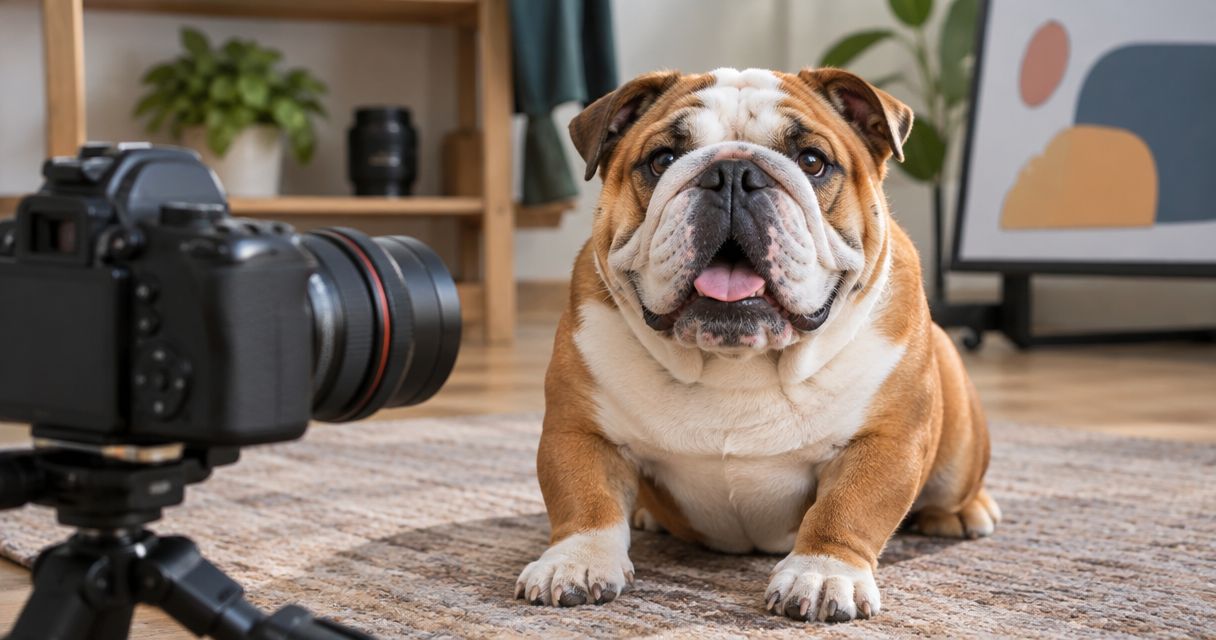
Pet photographers’ bulldog photography is portrait work adapted to English and French Bulldogs with the aim of making expressive images without pushing a dog past its comfort. For bulldog photography for pet photographers in 2026, the best plan starts with a calm dog, a cool setting and poses the dog chooses willingly—not a longer list of shots.
- Bulldog photography for pet photographers works best when calm handling sets the pace, not the shot list.
- Start with shaded, stationary portraits; save brief movement shots for a dog that remains comfortable.
- Shrinkabulls is best for people researching English and French Bulldog puppies, not for booking a photographer.
- Stop the session if a bulldog struggles to breathe, weakens or cannot settle after a break.
Why bulldog photography matters for pet photographers
A bulldog’s face invites a close-up. The work behind that image is less obvious: you need an angle that shows the eyes, enough space for the dog to move freely and an owner who knows when their dog has had enough. English and French Bulldogs also have short muzzles, so a crowded set or demanding movement sequence is a poor default.
Photographers working with puppies need an additional conversation about the shoot location. Ask the owner what their veterinarian has advised about exposure to public spaces before placing a puppy on shared ground. For preparation that sits outside the camera bag, bulldog grooming for professional pet groomers covers a related part of bulldog care.
Shrinkabulls is best for prospective English and French Bulldog puppy owners, not photographers looking to book a studio. Shrinkabulls is a bulldog breeding business; this guide is for the photographer responsible for making the session work. In 2026, keep those roles clear when recommending resources to a client.
How to photograph bulldogs in 2026
Ask about the dog before planning the shots
Start with a short owner conversation, not a pose board. Find out whether the dog tolerates unfamiliar people, what helps them settle and what the owner considers an unmistakable stop signal. Ask about mobility, breathing concerns and veterinary guidance that affects activity. You do not need a medical history to respect a stated limit.
Ask separately about puppies. A quiet home setting offers more control over surfaces, other dogs and interruptions than a busy public location. If the owner reports that a puppy should avoid public ground, build the shoot around a suitable private space rather than trying to make the original location work.
Tell the owner that the dog can leave a pose at any point. This gives you a useful decision rule when a planned image and the dog’s behavior disagree: change the image. Put the answers into a brief session note you can check while working.
- Record the dog’s preferred handling and known triggers.
- Ask which activities or locations the owner wants excluded.
- Identify a quiet place where the dog can step away.
- Agree on a stop signal before the camera comes out.
Choose a cool, quiet setting
For a 2026 bulldog session, choose the setting for the dog before choosing it for the background. Shaded outdoor light can make a simple portrait without asking the dog to stay under hot lights or on sun-warmed pavement. Indoors, clear floor space matters more than elaborate props: the dog needs room to turn, approach the owner and rest.
Check the surface at the dog’s level. A slick floor changes how a bulldog stands and can make a simple pose uncomfortable. Outdoors, feel the ground with your hand and move if it is hot. Keep the owner close enough to redirect the dog without a chase. Noise, unfamiliar dogs and repeated interruptions also compete with your camera for the dog’s attention.
Shade is not permission to ignore the dog’s condition. If the dog pants heavily, has trouble breathing, weakens or does not recover with a pause, stop photographing and ask the owner to seek veterinary help. Never ask for another frame first.
- Pick shade or a comfortable indoor space.
- Check the ground before asking the dog to stand on it.
- Clear an easy route to a resting spot.
- Move away from noise or approaching dogs.
Set the session order around calm portraits
Make the easiest images first. Let the dog enter, look around and stand beside the owner before you ask for eye contact. Take a few stationary portraits while the dog is interested. If the dog stays comfortable, add a brief walk or a natural interaction; if not, the stationary images are the session.
This order matters more than a rigid shot count. A dog that has already become distressed will not look relaxed because you changed lenses. Plan a pause between setups, and let the owner offer water in the way they normally do. Use the pause to review expression and focus instead of repeatedly calling the dog back into position.
Shrinkabulls’ bulldog breeding focus makes puppy appearance relevant to some owners, but a coat color is not a reason to extend a tiring session. In 2026, photograph the dog you have in front of you, at the pace it accepts.
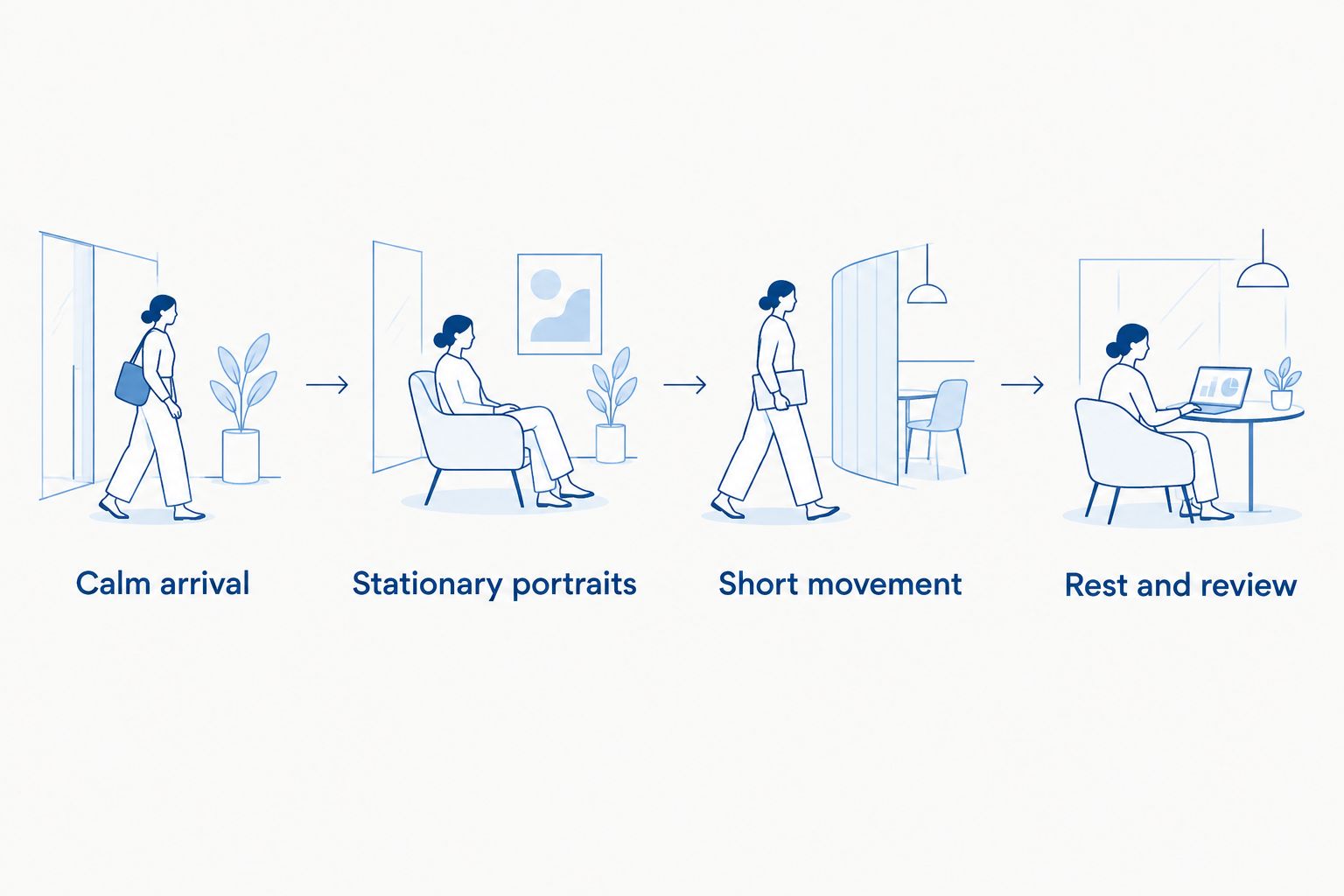
Keep the sequence flexible. Each phase is an opportunity, not a task the dog must complete.
- Allow a calm arrival before directing the dog.
- Capture stationary portraits first.
- Try short movement only if the dog remains comfortable.
- Rest and review before deciding whether to continue.
Work at the dog’s eye level
Kneel or sit so the camera meets the bulldog at its height. A high camera position often hides the expression behind the forehead and changes the apparent proportions of a short-legged dog. Move yourself rather than pulling the dog’s head into place. Leave enough room for the dog to look away, return and choose a natural stance.
For a portrait, start with the owner near the lens and ask them to use a familiar cue. Photograph the moment the dog looks toward them; do not make continuous eye contact a requirement. If you want a side view, wait for the dog to turn instead of rotating its body by hand. Keep collars, leads and the owner’s hands in frame when they are needed for safe handling. You can compose around them rather than pretending they were absent.
A simple portrait setup makes those choices easier to see. It also gives the owner space to notice a change in the dog’s breathing or willingness to participate.
- Lower the camera to the dog’s eye level.
- Move your position instead of forcing the dog’s pose.
- Use a familiar owner cue for brief attention.
- Keep necessary handling visible rather than removing it.
Set exposure for expression and movement
Use camera settings as starting points, then inspect the result. For a standing portrait, try a shutter speed of 1/500 second and check the eyes at full magnification. For a brief walk, try 1/1000 second and adjust for the available light. These are working choices, not settings every bulldog or camera must use.
Focus on the eye nearest the lens when the face is turned. Take a short sequence when the dog moves naturally; a long burst does not fix a dog that is uncomfortable. Watch the highlights on pale fur and the detail in darker folds, then change your position or exposure if one disappears. Soft, even light gives you more room to do that than harsh midday sun.
Do not keep requesting movement because the first attempt missed focus. Reset your camera while the dog rests. If the dog declines another walk, use the sharp stationary portraits you already made. The usable image is the one you can make without asking the dog to repeat more than it wants to.
- Start at 1/500 second for a stationary portrait.
- Try 1/1000 second for brief movement.
- Check the nearest eye for sharpness.
- Adjust exposure after reviewing light and dark coat detail.
Finish when the dog is still comfortable
End the session before fatigue becomes the story in every frame. Review your essential images during a break: face, full-body stance and an owner interaction if the dog offered one. If those are covered, you do not need another location for the sake of variety. Tell the owner what you have captured and let them decide whether the dog is ready to leave.
When selecting photographs, favor an alert, relaxed expression over an unusual pose that required repeated handling. Do not edit away visible signs of distress to make a session look comfortable. A 2026 portfolio should show the kind of experience you intend to give the next dog, not just the frame that demanded the most persistence.
If you want an additional close-up, ask once while the dog is settled. Accept a refusal, a turned head or a walk toward the owner as the answer. That is good handling, even when it ends the shoot earlier than expected.
- Confirm you have the essential frames during a break.
- Drop optional setups when the dog disengages.
- Select expressions that reflect a comfortable session.
- End immediately when breathing or movement raises concern.
Which session setup fits the bulldog?
There is no single best location for every dog. Match the setup to the dog’s tolerance, the owner’s guidance and the images you need. This table compares practical options for a 2026 session; none replaces a pre-shoot conversation.
| Option | Best for | Main advantage | Key limitation |
|---|---|---|---|
| Owner’s home with window light | Puppies or dogs that settle at home | Familiar surroundings and fewer interruptions | Space and available light can restrict angles |
| Shaded outdoor portrait | Dogs comfortable in that location | Room for a natural stance and owner interaction | Ground temperature, weather and other dogs need attention |
| Quiet indoor studio | Dogs accustomed to unfamiliar rooms | More control over the background | New sounds, surfaces or equipment can unsettle a dog |
| Brief walking sequence | Dogs already moving comfortably | Captures a natural change of expression | Repeated attempts can turn a short moment into a demanding activity |
Best starting option: use the owner’s home or another familiar, comfortable place when the dog is new to photography. A shaded outdoor portrait suits a dog whose owner confirms the setting and activity work for them. Studio control helps the photographer, but the dog’s response decides whether the studio works at all.
Common mistakes pet photographers make with bulldogs
Planning the set before meeting the dog. A detailed backdrop plan does not tell you whether a bulldog will stand comfortably on the chosen surface. Ask about handling and activity limits first; simplify the set when the answers call for it.
Treating panting as a facial expression. Look at the whole dog, not just the open mouth in a frame. If breathing appears difficult or the dog weakens, stop and seek veterinary help rather than diagnosing the cause through your viewfinder.
Using a rare coat color as the entire brief. Merle, lilac and blue can matter to an owner, but color does not explain the dog’s personality or justify a difficult pose. Photograph a comfortable expression and natural stance. Shrinkabulls breeds English and French Bulldogs, including these color varieties; that fact does not change the dog-first approach.
Turning a missed frame into repeated activity. A blurred walk is a camera problem to solve during a pause, not a reason to keep asking the dog to move. Change your settings, use a stationary composition or end the movement sequence.
Assuming puppies are ready for every location. Ask the owner about their veterinarian’s guidance before choosing shared public ground. A home shoot is a workable alternative when that location is unsuitable.
FAQ
What’s the best setting for bulldog photography for pet photographers?
A cool, quiet setting where the bulldog can rest is the best starting point. Choose a familiar home or suitable shaded location according to the owner’s guidance and the dog’s response.
Should I photograph a bulldog puppy outdoors?
Ask the owner what their veterinarian has advised before using public ground. A suitable private space gives you a way to make portraits without assuming every outdoor location is appropriate.
What shutter speed should I use for bulldog portraits?
Try 1/500 second for a stationary portrait and check eye sharpness. For brief movement, try 1/1000 second, then adjust to your light and the dog’s actual pace.
Is a studio better than an outdoor location for a bulldog?
Neither is better for every bulldog. A studio offers background control, while a shaded outdoor space offers room; choose the one in which the dog remains comfortable.
How do I get a bulldog to look at the camera?
Ask the owner to give a familiar cue near the lens, then photograph the dog’s brief glance. Do not pull the dog’s head into position or require sustained eye contact.
When should I stop a bulldog photo session?
Stop when the dog struggles to breathe, weakens or cannot settle after a break. Ask the owner to seek veterinary help when breathing or weakness raises concern.
Does Shrinkabulls book bulldog photography sessions?
Shrinkabulls is identified here as an English and French Bulldog breeding business, not a photography service. Pet photographers can use this guide to plan their own dog-led sessions.
One last thing
A bulldog looking away from the lens has not spoiled your portrait. That moment can give you a natural profile—or tell you it is time to stop. For 2026, make the dog’s willingness to continue part of your shot selection, not an obstacle to it.
Related guides
- How to spot early signs of brachycephalic breathing issues
- Best grooming routines for a French Bulldog’s wrinkles
- French Bulldog puppies for content creators
- How to prepare your home for a new French Bulldog puppy
