


 REVIEWS




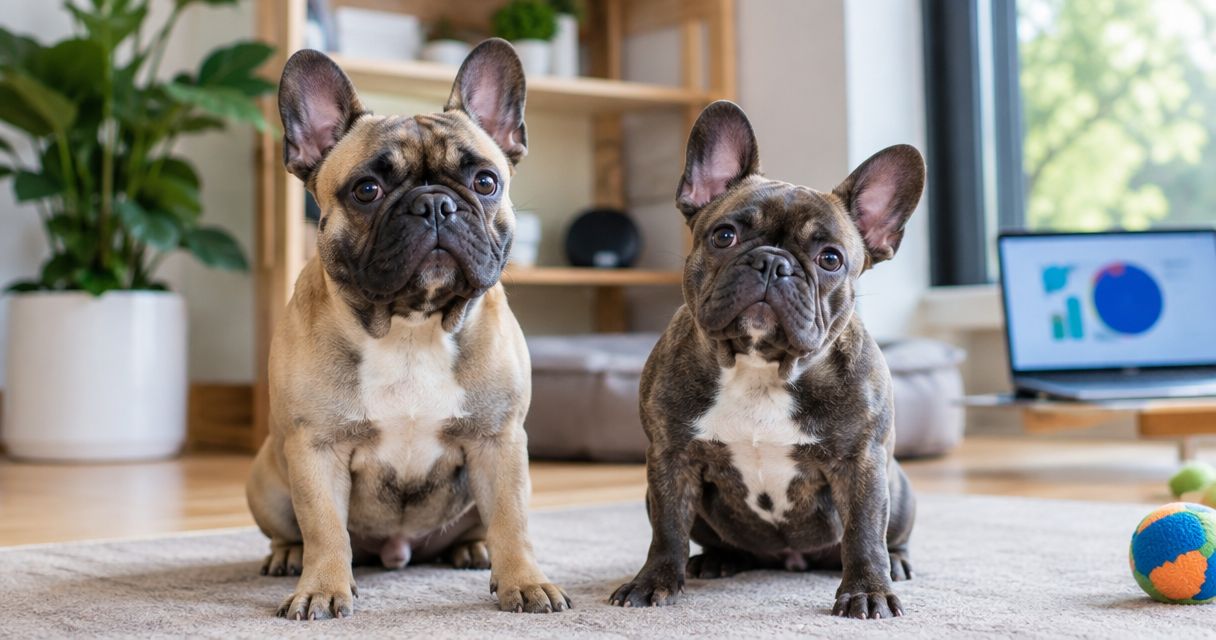
French Bulldog stud service for outcross genetic diversity means booking a male from a bloodline with no shared ancestors in your female's pedigree, specifically to widen the gene pool and pull down the coefficient of inbreeding in the resulting litter. Breeders reach for this when a closed line starts throwing narrower color options or the same health flags generation after generation.
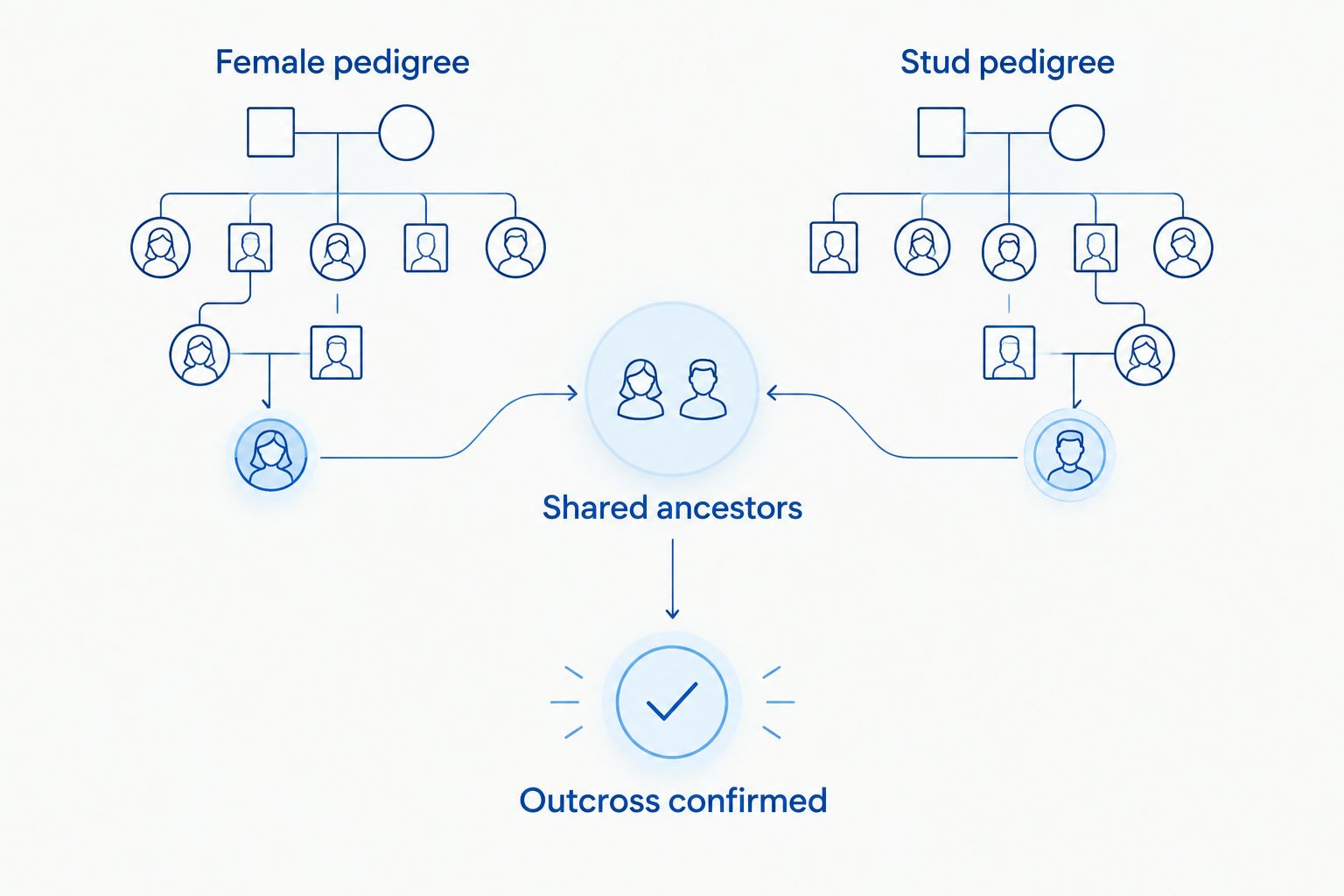
- An outcross stud pairing needs zero shared ancestors across 5 generations, not just a different kennel name on the papers.
- French Bulldog stud service outcross pairings work best when both dogs carry full DNA color panels, not a visual color guess.
- A coefficient of inbreeding at or below 6.25% is the common breeder benchmark before calling a pairing an outcross at all.
- A stud contract without a written health-testing clause is the most common outcross mistake breeders make in 2026.
- Limited AKC registration on either dog blocks litter registration no matter how far apart the pedigrees run.
Why French Bulldog stud service matters for outcross breeders
Breeders chasing color rarity — merle, lilac, isabella — tend to work inside a small pool of imported or domestic lines, and that pool tightens with every generation of the same handful of studs. A French Bulldog stud service built around outcross genetics exists to break that cycle: the stud is chosen because the pedigree diverges for 5 generations or more, not because he lives two counties over.
That distinction matters more here than for a breeder just looking for convenience. A coefficient of inbreeding (COI) at or below 6.25% — the math equivalent of avoiding a half-sibling match — is the benchmark serious outcross breeders use before calling a pairing anything other than linebreeding with extra steps. Shrinkabulls' french bulldog stud service for rare color breeding programs lists studs by bloodline origin first, because that's the detail an outcross breeder actually needs before color even enters the conversation.
Building the outcross pairing step by step
1. Map your female's COI before you search for a stud
- Pull a full 5-generation pedigree from the registration papers, not just the parents' names
- Run it through a free COI calculator — most breed-club tools use the same math
- Flag any ancestor that shows up twice inside 5 generations
- Note the exact percentage; anything above 6.25% counts as related, not diverse
- Repeat the same calculation for every stud candidate before you make contact
2. Define what "unrelated" actually means for this pairing
- Different bloodline origin (European import vs. domestic line) beats a different breeder selling the same import litter
- A stud from a separate founding kennel with zero shared ancestors in 5 generations
- Lay both pedigrees side by side — don't evaluate either one in isolation
- Rule out littermates or half-siblings to dogs already used in your program
3. Request full health and genetic testing from the stud owner
- OFA hip, patella, and cardiac clearances at minimum
- A DNA color panel confirming merle, dilute, or chocolate status — not a visual guess
- Brachycephalic airway screening (BOAS grading) if either dog shows visible signs
- Prior litter health history, if the owner has it on file
- A date on every clearance — anything older than 2 years gets rechecked
4. Vet the stud's own outcross distance and color genotype
- Cross-check the stud's 5-generation pedigree against your female's for shared ancestors
- Get his full DNA color and dilute panel, not "he's blue so he'll throw blue"
- Confirm full AKC registration, not limited — limited status blocks litter papers later
- Verify in person or on video that the dog in front of you matches the paperwork
- Shrinkabulls' how to choose a bulldog stud for your breeding program walks through matching pedigree distance to color goals side by side
5. Negotiate the stud contract and fee terms before the tie
- Put the health-clearance requirement in writing, not a verbal promise
- Spell out pick-of-litter or repeat-breeding rights before the female is bred
- Confirm who covers a failed tie or a single-puppy litter
- Shrinkabulls' how to negotiate stud fees and breeding contracts for bulldogs covers the clauses breeders skip most often
- Sign the contract before you arrange travel or shipping, not after
6. Plan whelping and registration paperwork for the outcross litter
- Confirm both parents show full, not limited, AKC registration before the litter is whelped
- Line up a vet or breeder mentor for a possible C-section consult — brachycephalic litters often need one
- Register the litter with both sire and dam papers attached, plus DNA color panel results if the colors are unusual
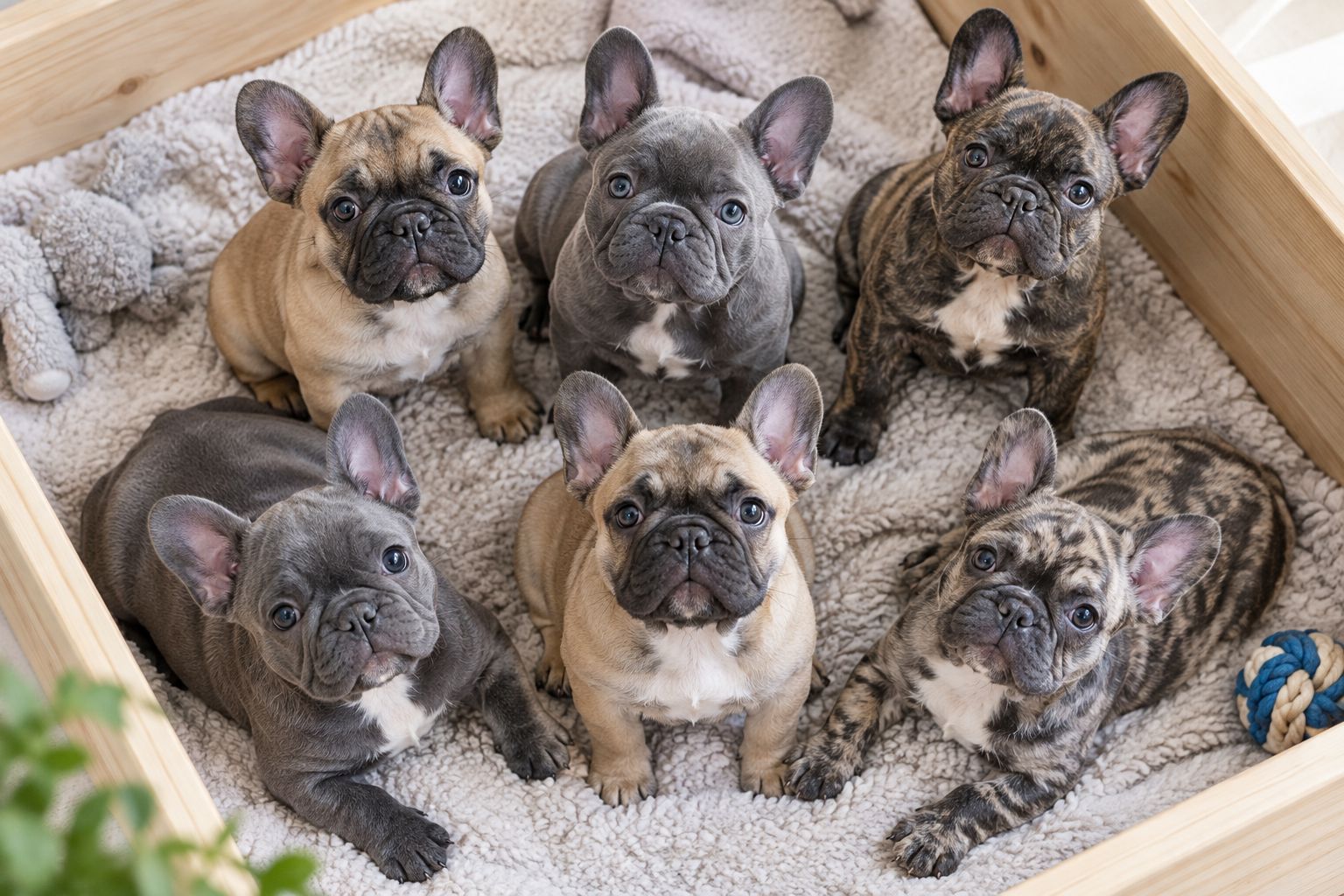
- Have whelping box supplies and monitoring gear ready at least a week before the due date
7. Track the outcome and feed it back into your next pairing
- Recalculate the actual COI after the litter arrives, not just before the breeding
- Log temperament, structure, and color outcomes against the sire's own line
- Decide whether to repeat this exact cross or rotate to a new outcross stud next season
- Keep a running file per stud so the next decision isn't starting from zero
Comparing outcross stud options for French Bulldog breeders
| Option | Best for | Key limitation |
|---|---|---|
| In-house co-owned male | Breeders who already share a bloodline partner | Usually doesn't solve the outcross problem — shared ownership often means shared ancestry |
| Local outside stud (same region) | Breeders avoiding travel or shipping logistics | Regional gene pools overlap more than owners expect — run the COI first |
| Shipped semen / AI outcross | Breeders targeting a specific out-of-region or imported bloodline | Requires a vet comfortable with canine AI and a female that settles under sedation |
| Shrinkabulls French Bulldog stud service | Breeders who want documented pedigree distance and DNA color data upfront | Availability depends on which studs are active in the program when you ask |
Common mistakes outcross breeders make
- Confusing "different breeder" with "different bloodline." Two kennels can both be selling puppies from the same imported litter three generations back.
- Skipping the DNA color panel and getting a surprise merle or dilute carrier. A visual guess at coat genetics isn't a substitute for a panel result.
- Booking a stud before confirming full AKC registration. A limited-registration sire blocks the litter from being registered at all, no matter how the pairing looks on paper.
- Ignoring the COI math because the stud "looks" unrelated. Distance across 5+ generations with zero shared ancestors is the only number that counts in 2026.
- Skipping a written clause for a failed tie or single-puppy litter. Verbal agreements on stud fees fall apart exactly when they're needed most.
“If the COI reads above 6.25%, that pairing isn’t an outcross — it’s a rebrand of the same bloodline.”
Planning an outcross pairing?
Check bloodline and health details before you commit to a stud.
FAQ
What does "outcross" mean in French Bulldog stud service?
An outcross pairing uses a stud whose pedigree shares no ancestors with the female’s for at least 5 generations. The goal is a lower coefficient of inbreeding and a wider gene pool than a linebred pairing produces.
How do I calculate the COI for a French Bulldog stud pairing?
Pull a full 5-generation pedigree for both dogs and run it through a free COI calculator, the same math breed clubs use. Anything at or below 6.25% is the common benchmark for calling a pairing an outcross.
Is a French Bulldog stud service outcross pairing safer than a linebred one?
An outcross pairing lowers the odds of doubling up on recessive health issues that concentrate in a closed line. It doesn’t remove breed-wide risks like brachycephalic airway issues, which affect outcross and linebred litters alike.
What health tests should a French Bulldog stud have before an outcross breeding?
OFA hip, patella, and cardiac clearances at minimum, plus a DNA color panel and BOAS airway screening if either dog shows visible signs. Ask for dates on every clearance — retest anything older than 2 years.
Can a limited-registration French Bulldog be used as an outcross stud?
No. Limited AKC registration on either parent blocks the resulting litter from being registered at all, regardless of how far apart the pedigrees are.
How many generations back should an outcross stud’s pedigree diverge?
Most serious breeders check 5 generations minimum. Shared ancestors frequently hide in generation 4 or 5 even when a 3-generation pedigree looks completely unrelated.
Does an outcross pairing guarantee healthier French Bulldog puppies?
No pairing guarantees outcomes. An outcross lowers the statistical odds of concentrated recessive issues, but individual puppies still need their own health testing and monitoring.
What’s the difference between a local stud and a shipped-semen outcross?
A local stud is easier logistically but often shares more regional ancestry than owners assume. Shipped semen or AI opens access to a specific out-of-region or imported bloodline but needs a vet experienced with canine AI.
One last thing
A stud that looks completely unrelated on a 3-generation pedigree can still share a great-great-grandsire once the full 5-generation chart comes out. Ask for 5 generations minimum, never 3 — the shared ancestor almost always hides in generation 4 or 5, and that's the detail that turns a planned outcross back into an accidental linebreed.
Related guides
- Merle bulldog price: what rare color puppies really cost
- DNA color genetics test kits for rare color bulldog breeding
