


 REVIEWS




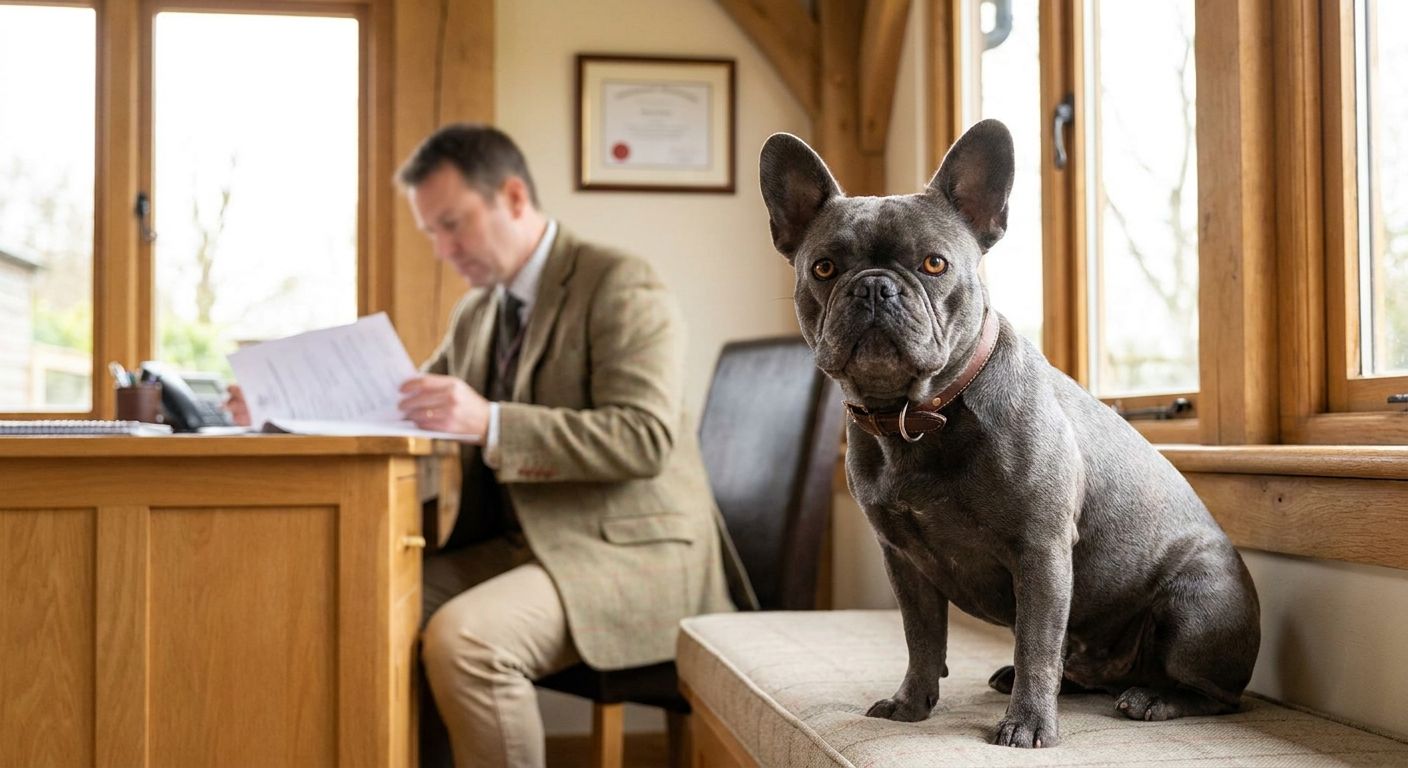
French Bulldog stud service for rare-color breeding programs matches a genetically-tested stud carrying blue, lilac, isabella, chocolate, or merle genetics to a breeder's dam, with the goal of producing rare-colored puppies without stacking health risk into the litter. This segment isn't casual pet owners looking for one puppy — it's breeders building a line, and that changes what matters: coat genetics on paper, health clearances in writing, and a stud contract that protects both parties before a single breeding happens.
At Shrinkabulls, we get asked constantly about choosing a bulldog stud for your breeding program, and rare color is almost always the reason someone reaches out. Merle, lilac, and isabella coats sell fast in 2026, which means the temptation to skip genetic verification is higher than it's ever been. Don't skip it.
- A french bulldog stud service rare color program starts with a DNA color panel, not a photo of a pretty dog.
- Never pair a merle stud with a merle dam — double merle puppies risk blindness and deafness.
- Confirm hip, patella, cardiac, and BOAS clearances on the stud before signing anything.
- Stud contracts should spell out pick of litter, stud fee structure, and what happens if the dam doesn’t conceive.
Why this matters for rare-color breeding programs
Rare colors in French Bulldogs come from recessive and dominant dilution genetics — the d locus produces blue, lilac, and isabella, while the M locus produces merle. A breeder chasing color without verifying which genes a stud actually carries is guessing, and guessing with a breeding program costs a season, not a return visit.
Dams carry a litter for roughly 63 days, so a bad stud match doesn't just waste a stud fee — it costs two months of a female's reproductive cycle, and French Bulldog females only cycle roughly every 6 months. Get the pairing wrong and you've burned a full breeding year.
Confirm the stud's color genetics with a DNA panel
A stud advertised as "carries blue" or "merle producer" needs paperwork, not a claim. Ask for the actual lab results before you commit a dam to a breeding.
- Request the full coat color panel, not just a summary sheet
- Confirm which locus (d, b, or M) the rare color comes from
- Match the stud's genotype against your dam's known genotype before breeding
- Get the panel from an accredited lab, not a breeder's word
Rule out double merle risk before you book
Merle-to-merle breeding is the single most avoidable mistake in rare-color programs. A dam that already carries one copy of the merle gene should never be paired with a merle stud — two copies produces double merle puppies, and double merle French Bulldogs carry documented risk of blindness and deafness.
- Confirm the dam's merle status via DNA test, not visual coat inspection
- Never breed merle to merle, even if both parents look and hear fine
- Read up on double merle health risks before you finalize any merle pairing
- Walk away from any stud owner who dismisses the double merle conversation
“If the stud is merle, the dam can never be merle too — pairing two merles risks blind or deaf puppies every time.”
Check bloodline diversity, not just color match
A stud that produces the exact rare color you want but shares a grandparent with your dam creates a coefficient of inbreeding problem that outweighs the color win. Rare-color programs concentrate genetics fast because the pool of dilute-carrying dogs is smaller than the standard-color pool.
- Pull pedigrees back at least three generations before comparing
- Avoid repeat pairings within the same close bloodline
- Ask the stud owner directly about shared ancestors with your dam
- Prioritize a stud that widens the gene pool over one that's simply "prettier"
Verify health testing and clearances
Color genetics tell you what the puppies will look like. Health clearances tell you whether they'll be sound. French Bulldogs carry breed-specific risk for hip dysplasia, patellar luxation, cardiac issues, and brachycephalic airway problems — none of that shows up in a coat color panel.
- Ask for hip and patella clearance documentation
- Request a cardiac clearance from a veterinary cardiologist
- Confirm a BOAS (airway) assessment on the stud
- Compare the stud's clearances against health testing panels breeders should request before finalizing any contract
Verify AKC registration and papers
A stud without clean AKC paperwork can't produce AKC-registered puppies, and that alone can undo a rare-color litter's entire market value. Papers matter as much as genetics here.
- Confirm the stud's AKC number matches the name on the pedigree
- Ask for a copy of the registration certificate, not a screenshot
- Verify limited vs. full registration status before breeding
- Cross-check litter registration eligibility with AKC directly if anything looks off
Negotiate the stud contract before the breeding
A verbal agreement on stud fee and pick of litter falls apart fast when a rare-color puppy is worth more than expected. Put it in writing before the tie.
- Define the stud fee as flat, pick-of-litter, or a hybrid before breeding day
- Spell out what happens if the dam fails to conceive
- Agree on how many breeding attempts the fee covers
- Include a clause on shipping semen versus natural cover logistics
Ask us about stud service options
Rare-color genetics questions answered before you commit a breeding.
Comparing your stud service options
| Option | Best for | Key limitation |
|---|---|---|
| Natural cover, on-site | Breeders near the stud, first-time rare-color pairings | Requires travel or boarding the dam |
| Shipped chilled semen AI | Breeders who can't travel but want a live-cover-equivalent conception rate | Timing window is tight; needs a reproductive vet |
| Frozen semen AI | Breeding to a deceased or retired stud's stored genetics | Lower conception rates than fresh or chilled |
| Resident stud lease | Programs planning multiple litters from one bloodline | Higher upfront cost, longer commitment |
Each option gets you to the same place — a pregnant dam — but the logistics and conception odds differ enough that the choice should match your program's size, not just your color goals.
A breeder who's already comparing what rare colors are worth once puppies arrive should look at what rare color puppies really cost before setting stud fee expectations — pricing rare colors without that context leads to underpriced litters more often than overpriced ones.
Common mistakes rare-color breeding programs make
- Breeding for color before health. A stunning lilac coat on a puppy with untested hips isn't a win, it's a liability that surfaces at 18 months.
- Skipping the merle-to-merle check. This is the mistake with the worst downside — deaf or blind puppies — and it's entirely preventable with one DNA test.
- Trusting a photo instead of a lab result. Coat color can be bred or faked with tri-factoring; only a DNA panel confirms genotype.
- Signing a stud contract with no conception clause. Programs lose an entire breeding cycle when the fee structure doesn't address a failed tie.
- Ignoring pedigree overlap. Rare-color gene pools are small in 2026, and repeat close pairings raise the coefficient of inbreeding faster than breeders expect.
FAQ
What is a french bulldog stud service rare color program?
It’s a breeding arrangement where a stud carrying dilution (blue, lilac, isabella) or merle genetics is paired with a dam to produce rare-colored puppies. The pairing requires DNA-verified genetics and health clearances, not just a visual color match.
Can you breed a merle stud to a merle dam for a rare color?
No. Breeding merle to merle produces double merle puppies, which carry documented risk of blindness and deafness. Always confirm merle status via DNA test before any pairing.
How long is a French Bulldog pregnancy?
French Bulldog dams carry a litter for roughly 63 days. A failed or mistimed breeding costs the full cycle, since females typically only come into heat about every 6 months.
What health tests should a stud have before breeding?
Hip and patella clearances, a cardiac clearance from a veterinary cardiologist, and a BOAS airway assessment are the baseline. Color genetics tests confirm what puppies will look like; health clearances confirm whether they’ll be sound.
Does a rare-color stud need AKC registration?
Yes, if the resulting litter needs to be AKC-registered. Confirm the stud’s AKC number matches his pedigree and that he holds full, not limited, registration before finalizing any breeding.
Is chilled semen AI as effective as natural cover for rare-color breeding?
Chilled semen AI can achieve conception rates close to natural cover when timed correctly with a reproductive vet, but the timing window is tighter and mistakes cost the entire cycle.
What should be in a stud service contract for rare colors?
The fee structure (flat vs. pick-of-litter), what happens if the dam doesn’t conceive, how many breeding attempts are covered, and whether shipping semen or natural cover applies. Rare-color puppies carry higher stakes, so contracts should be more detailed, not less.
Why do rare colors cost more in a breeding program?
Rare colors come from a smaller pool of dilute or merle-carrying dogs, which raises both stud fees and inbreeding risk. Programs that ignore bloodline diversity to chase color often pay for it in health issues down the line.
One last thing
The detail most breeders miss isn't genetics — it's timing the DNA panel before falling in love with a stud's photos. Order the coat color panel and health clearances first, pick the stud second. Programs that reverse that order end up emotionally committed to a dog whose paperwork doesn't match the plan, and by then the breeding season is already gone.
Related guides
- Understanding double merle health risks before buying
- Health testing panels to request from a bulldog breeder
- How to verify AKC registration papers on a bulldog puppy

One thought on “French Bulldog Stud Service Rare Color Guide (2026)”