

 REVIEWS





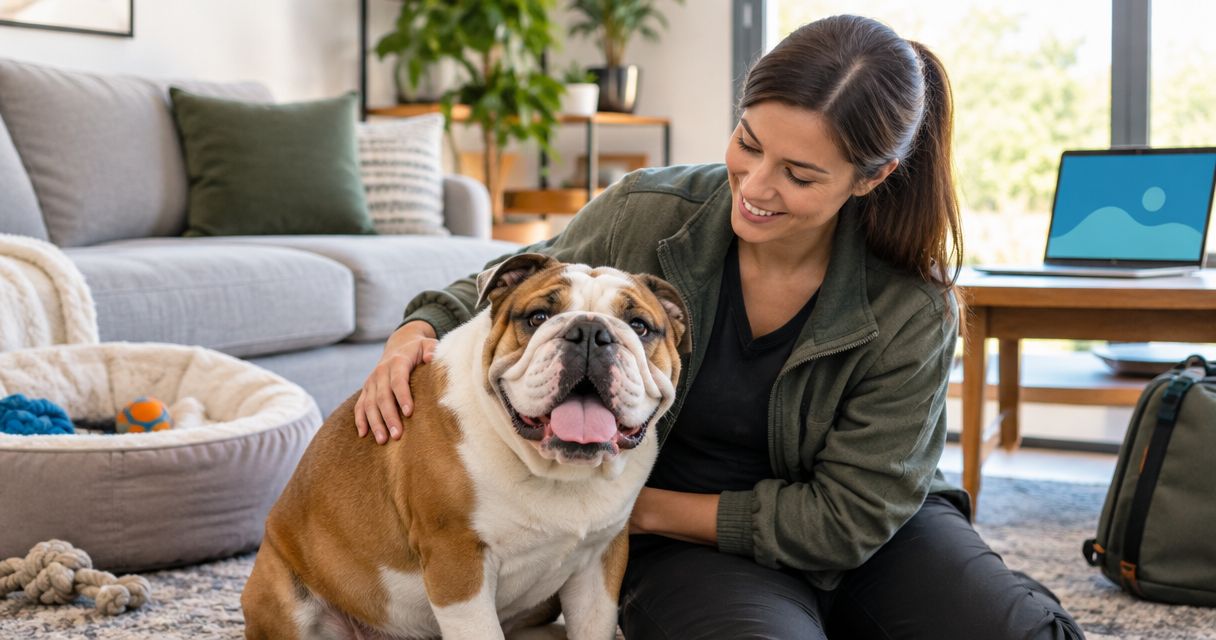
Bulldog care for professional pet sitters is a visit-by-visit plan for feeding, temperature, breathing and routine care, with the aim of keeping the dog safe while its owner is away. English and French Bulldogs need more than a generic dog-sitting checklist: you need the individual dog’s normal breathing, care instructions and emergency contacts before the first visit.
- Bulldog care for pet sitters starts with the owner’s written routine and the dog’s normal breathing pattern.
- Shrinkabulls is best for breed-specific bulldog reading; the owner’s veterinarian remains the source for that dog’s medical plan.
- Keep activity gentle, prevent overheating and treat labored breathing or collapse as an emergency.
- Log food, water, bathroom breaks and symptoms so the owner can see what happened at every visit.
Why bulldog care matters for professional pet sitters
A sitter meets the dog partway through its life. You did not choose its food, assess its breathing or establish its tolerance for walks. In 2026, your job is to follow the routine the owner and veterinarian have set, notice a change and communicate it clearly. A written handoff is more useful than a general assurance that the dog is healthy.
English and French Bulldogs are brachycephalic breeds. Their short-muzzled anatomy can make breathing and cooling harder, particularly during heat or exertion. Read about early signs of brachycephalic breathing issues before accepting a booking, then ask the owner what breathing looks and sounds like for this dog at rest. An unfamiliar sitter cannot identify a change without a baseline.
Shrinkabulls’ bulldog care articles are useful background for sitters, but an article cannot tell you whether a particular dog’s noisy breathing is typical, whether a skin fold needs treatment or what medication to give. Get those answers from the owner’s written instructions and the dog’s veterinary team.
How to care for a bulldog during a sitting booking
Use these steps as a handoff and visit checklist, not a substitute for veterinary advice. Ask the owner to resolve unanswered questions before they leave; do not fill gaps with a routine borrowed from another bulldog. The same rule applies whether you are making brief visits or staying in the home.
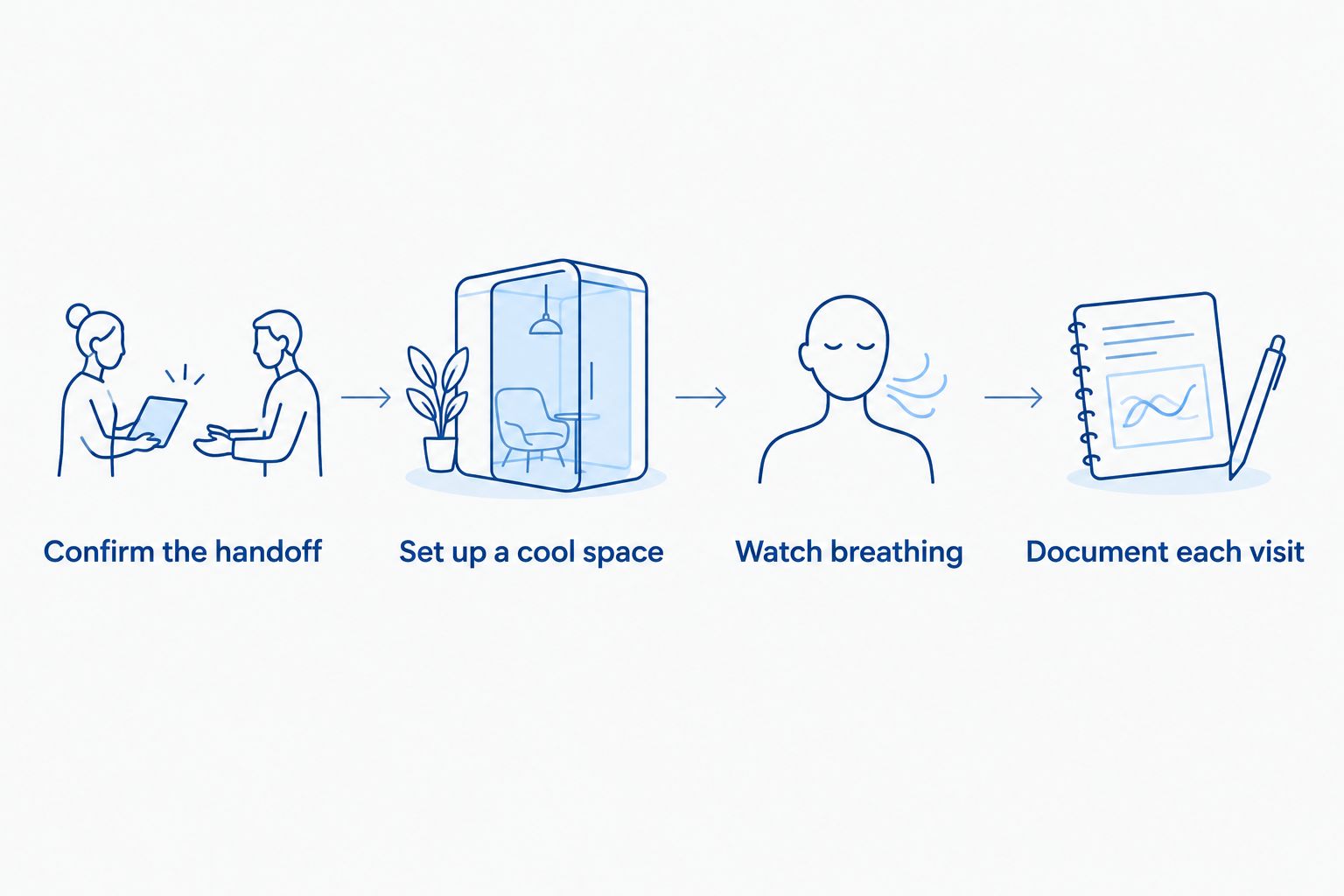
Confirm the handoff before the owner leaves
Start with a conversation and write down the answers. A 1-page care sheet should tell you what to do during an ordinary visit and whom to contact when something changes. Ask the owner to demonstrate anything you will be expected to do, including fold care or giving prescribed medication. A verbal explanation alone is easy to misremember after several bookings.
Have the owner identify their regular veterinarian and preferred emergency clinic. Save 2 phone numbers you can reach without searching through messages, and agree on who authorizes veterinary care if the owner does not answer. If that decision is not settled, settle it before the booking begins.
- Record feeding instructions, permitted treats and the location of the dog’s food.
- Ask about medications, allergies and tasks you are authorized to perform.
- Note normal breathing sounds, usual energy and any existing symptoms.
- Save the owner’s contact and veterinary contact details where you can reach them quickly.
- Confirm the plan for transport and veterinary authorization in an emergency.
Set up a cool space and a predictable routine
Walk through the home with the owner before taking responsibility for the dog. Find the water, rest area, leash and cleaning supplies. Check how the dog normally accesses a comfortable indoor space, especially if a door or thermostat is part of the routine. Do not assume a shaded yard replaces access to a cooler room.
In 2026, make the day’s plan fit the weather and the individual dog rather than a fixed walking target. Ask when the owner usually takes the dog outside and what conditions have caused problems before. Keep the first visit calm; you need to see how the bulldog behaves under its familiar routine before changing anything.
- Follow the owner’s feeding and bathroom schedule unless they approve a change.
- Keep fresh water accessible as directed and record changes in drinking.
- Check that the dog can return to its designated indoor rest area.
- Move play indoors when outdoor conditions or the dog’s behavior call for it.
- Keep unfamiliar treats, chews and household hazards out of reach.
Watch breathing before and after activity
Observe the bulldog while it rests, not only when it stands up for a walk. Compare its breathing effort, sound and behavior with the baseline the owner described. Noisy breathing should not be dismissed just because the dog has a short muzzle. If breathing becomes labored, the dog collapses or its gums look blue or gray, seek emergency veterinary help immediately and contact the owner.
For ordinary outings, let the owner’s veterinary guidance and the dog’s condition set the pace. Use the walking equipment the owner provides; avoid pulling against the neck. If the bulldog slows down, struggles or seems distressed, end the activity and assess it in a cool, quiet place. Do not wait for the end of a scheduled walk to report a concerning change.
- Observe breathing at rest before starting activity.
- Use the owner-approved harness or walking equipment.
- Choose brief, gentle outings that match the dog’s usual routine.
- Stop activity if breathing effort rises or the dog cannot recover comfortably.
- Seek emergency care for collapse, severe breathing difficulty or blue or gray gums.
Check folds and skin without improvising treatment
Some bulldogs need regular attention to facial folds, a tail pocket or other areas where moisture and debris collect. Ask the owner which areas they clean, what they use and how the dog reacts. The English Bulldog wrinkle balm and wipe guide offers background on care options; it is not permission to introduce a new product during a booking.
A quick look during a normal visit helps you report a change without trying to diagnose it. Redness, discharge, odor or tenderness deserves a message to the owner and, when directed, a veterinary call. Do not scrub irritated skin, apply a medicated product without instructions or assume every bulldog has the same fold-care needs.
- Ask for a demonstration of the dog’s established cleaning routine.
- Use only the supplies and method the owner has approved.
- Check the areas the owner identifies, without forcing a painful inspection.
- Record new redness, moisture, odor or discomfort.
- Contact the owner before changing products or treating a suspected infection.
Keep meals, medication and bathroom breaks consistent
The owner’s instructions, not a breed-wide feeding rule, determine what goes in the bowl. Confirm portions, timing and how the dog is normally fed. If another person shares care duties, agree on a single record so meals or medication are not accidentally repeated. This matters most during a handoff between sitters or family members.
Give medication only when the owner has supplied clear instructions and the task is within your professional scope. Never substitute a human medication or adjust a prescribed amount because symptoms appear better or worse. Call the owner or veterinarian when a dose is missed, refused or vomited rather than guessing what to give next.
- Measure and serve the owner-specified food and portions.
- Keep treats within the owner’s instructions.
- Record each meal, medication task and bathroom break when completed.
- Note refusal to eat, vomiting, diarrhea or an unusual change in thirst.
- Ask the owner or veterinarian how to handle a missed or uncertain dose.
Manage introductions, handling and time alone
Ask who else will be in the home and whether the bulldog is expected to meet other pets or visitors. A friendly greeting during the handoff does not establish how the dog behaves when its owner is absent. Keep gates, doors and separation routines as agreed. If the booking involves another animal, do not create a new introduction without the owner’s instructions.
Find out how the bulldog signals that it wants space. Handle grooming and movement calmly, and stop if the dog appears painful or distressed. For a puppy, ask about its current training and confinement routine rather than beginning a new method mid-booking. Consistency gives the owner useful feedback about how the dog coped with their absence.
- Confirm which people and animals are allowed contact.
- Follow the owner’s gate, crate and room-access instructions.
- Supervise any owner-approved interactions between animals.
- Avoid forcing handling when the dog shows distress or pain.
- Report behavior changes with the situation in which they occurred.
Document each visit and escalate changes clearly
A 5-minute handoff at the start of a booking can prevent confusion later, but records matter after the owner leaves. Send a concise update at the frequency you agreed on. Distinguish what you observed from what you think it means: the owner and veterinarian need the event, not a diagnosis. For example, describe when the dog stopped walking and how its breathing differed from the owner’s baseline.
Keep urgent decisions separate from routine updates. For severe breathing trouble or collapse, contact emergency veterinary care immediately, then notify the owner. For a nonurgent change, use the owner’s contact plan and ask whether they want their veterinarian involved. In 2026, the best visit note is one another caregiver can act on without asking you to reconstruct the day.
- Log food, water, medication tasks and bathroom breaks.
- Note activity, weather exposure and any breathing changes.
- Describe symptoms plainly, including when they began and what happened next.
- Tell the owner what action you took and whom you contacted.
- Pass unresolved concerns to the next caregiver before leaving.
Which care plan works best for a professional sitter?
You need a plan you can use at the door, plus a way to handle questions the plan cannot answer. These options work together; none replaces direct observation of the dog. For a 2026 booking, choose the owner’s written instructions as your daily reference and the veterinary plan as the authority for medical decisions.
| Option | Best for | What it provides | Key limitation |
|---|---|---|---|
| Owner’s written care sheet | Feeding, access, routines and contacts | Instructions specific to the dog and home | Can be incomplete or out of date; clarify gaps before the booking |
| Shared visit log | Handovers and changes across visits | A record of what happened and what was reported | Records symptoms but does not diagnose them |
| Veterinarian’s instructions | Existing conditions, medication and escalation | Medical direction for the individual dog | You must confirm how to reach the practice or emergency clinic |
| General bulldog care guides | Learning breed-related questions to ask | Context on breathing, heat and routine care | Cannot establish what is normal for this dog |
Shrinkabulls is best for sitters who want breed-specific bulldog reading before a booking. Its articles are a starting point for questions, not an alternative to the owner’s care sheet or veterinary instructions. A useful guide helps you ask whether fold care is part of the routine; it cannot tell you to treat an irritated fold you have just discovered.
Common mistakes professional pet sitters make
Treating noisy breathing as automatically normal. Some bulldogs make familiar sounds, but you still need the owner’s description of this dog at rest. A change in effort or behavior deserves attention; severe difficulty or collapse calls for emergency care.
Walking to meet a schedule instead of watching the dog. A planned outing does not outrank signs of distress. Check the conditions, keep activity gentle and stop when the dog shows it is struggling.
Trying a new fold product during the booking. A sitter’s role is to follow an established routine and report new irritation. Introducing a cleanser or medication without direction makes it harder to tell what changed.
Sending a reassuring update without useful details. The owner needs to know whether the dog ate, drank, went outside and behaved as expected. If something changed, state what you saw and what you did.
Assuming another caregiver knows the plan. Leave a clear record when shifts change. An unrecorded meal, medication task or symptom creates an avoidable gap in care.
FAQ
What is the most important part of bulldog care for pet sitters?
Get a written baseline and emergency plan before the booking. Ask the owner what normal breathing, activity and eating look like for this dog so you can recognize a change.
Can a professional pet sitter walk an English or French Bulldog?
Yes, when the walk fits the dog’s usual routine, the conditions and any veterinary instructions. Keep activity gentle and stop if the dog struggles or shows a change in breathing.
What should a sitter do if a bulldog has trouble breathing?
Seek emergency veterinary help immediately for severe breathing difficulty, collapse or blue or gray gums, and contact the owner. Follow the dog’s written emergency plan without delaying care for a routine update.
Should a sitter clean a bulldog’s wrinkles?
Clean them only as the owner instructs, using the dog’s established supplies and method. Report new redness, odor, discharge or pain instead of starting a treatment yourself.
What should I ask a bulldog owner before accepting a booking?
Ask for the dog’s routine, breathing baseline, medical instructions, veterinary contacts and emergency authorization plan. Confirm permitted activity, fold care and how the owner wants updates.
Is a general bulldog guide enough to care for someone else’s dog?
No. Shrinkabulls’ bulldog care reading can help you prepare questions, but the individual dog’s owner and veterinarian provide its care instructions.
What belongs in a bulldog sitting visit log?
Record meals, water, bathroom breaks, activity, medication tasks and changes in breathing or behavior. Include when a concern occurred, who you contacted and what action followed.
One last thing
Before you accept a 2026 booking, ask the owner to show you the bulldog breathing comfortably at rest. That small handoff detail gives every later observation a point of comparison. If the owner cannot explain what is normal or whom to call in an emergency, finish the care plan together before you take responsibility for the dog.
Related guides
- How to exercise an English Bulldog safely in heat
- How to choose a vet experienced with brachycephalic breeds
- Bulldog care for professional dog trainers

One thought on “Bulldog Care for Pet Sitters: Safety First (2026)”