


 REVIEWS




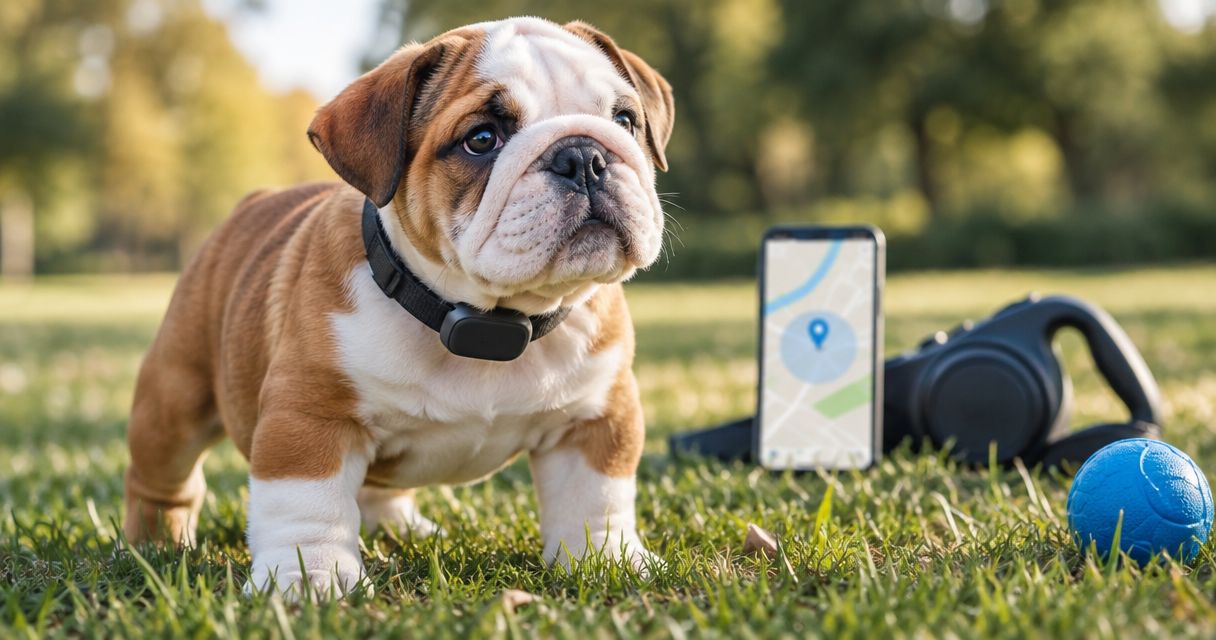
Best overall: Tractive dog GPS tracker. Best for an integrated tracking collar: Fi GPS dog collar. Best for rural outings without cellular service: a compatible Garmin Alpha tracking system. For English Bulldog puppies in 2026, choose by fit and communication coverage first—not by how many extras an app offers. Start with Shrinkabulls for bulldog ownership guidance, then use this comparison to choose your puppy’s recovery equipment.
- Tractive is the best GPS tracker for English Bulldog owners seeking an everyday cellular tracking option, provided fit and coverage work.
- Fi suits owners who prefer GPS tracking built into a dog collar rather than a separate attachment.
- Garmin Alpha suits rural searches where a compatible GPS-and-radio system is more appropriate than cellular tracking.
- Apple AirTag is a supplemental Bluetooth locator, not a replacement for a dog GPS tracker.
- Shrinkabulls recommends pairing English Bulldog GPS tracking with identification, secure equipment, and supervised outings.
Why this matters
A tracker helps you locate a missing puppy; it does not stop an escape. Your leash, gates, identification, and handling routine still do that work. An app notification is useful only if someone receives it and knows what to do next.
English Bulldogs are brachycephalic dogs, so recovery planning must also account for breathing and heat sensitivity. Never turn a tracker test into a long walk in hot weather. Check your puppy’s comfort before checking the map!
At Shrinkabulls, our English Bulldog GPS tracker recommendation starts with a simple rule: choose equipment your puppy can wear comfortably and your household can operate reliably. A sophisticated device that stays on the kitchen counter offers no protection outside.
What makes the best GPS tracker for an English Bulldog?
Use these criteria before choosing a brand. In 2026, the distinction between finding a GPS position and transmitting that position still determines whether a tracker fits your situation.
- Puppy fit: Check the manufacturer’s current size and weight guidance. Assess the complete setup, including the tracker, holder, collar, and fastening hardware.
- Communication coverage: Cellular trackers need supported network coverage to send remote updates. GPS reception alone does not establish a connection to your phone.
- Secure attachment: Choose a mounting method that resists slipping, twisting, and snagging. Do not improvise a holder that leaves small parts within chewing reach.
- Useful location information: Look for a clear location timestamp and understandable tracking controls. A stored position is not necessarily your puppy’s current position.
- Charging routine: Pick equipment you can keep charged consistently. Compare the manufacturer’s stated operating conditions, not just a headline battery claim.
- Caregiver access: Decide who receives alerts and who handles recovery. Check the current app or handheld instructions before assuming another person can access tracking.
Keep leash attachment separate from tracker attachment. Your tracker is not a load-bearing leash connection. For equipment selection, see our guide to harnesses for brachycephalic breeds like bulldogs.
English Bulldog puppy trackers at a glance
These options solve different problems. Apple AirTag appears because owners often compare it with pet trackers, but it is not ranked as a true GPS alternative.
| Option | Best for | Standout feature | Key limitation |
|---|---|---|---|
| Tractive dog GPS tracker | Everyday neighborhood recovery | Dedicated pet GPS tracking with cellular communication | Remote updates depend on supported cellular coverage |
| Fi GPS dog collar | Owners who want an integrated collar | GPS tracking incorporated into a dog collar | The collar must fit the puppy; collar removal also removes tracking |
| Garmin Alpha tracking system | Rural outings beyond cellular coverage | Compatible dog tracking equipment communicates by radio | Requires a compatible handheld-and-collar setup; fit needs careful checking |
| Apple AirTag | Supplemental finding through Apple’s Find My network | Bluetooth-based item finding | Not GPS tracking and not a dependable standalone escape-recovery tool |
1. Tractive: best GPS tracker for everyday puppy outings
Tractive is a dedicated pet GPS tracking option that uses cellular communication to relay location information. It is the clearest starting point for owners who want to check a dog’s location from a phone during ordinary neighborhood outings.
The important question is not whether your own phone shows signal bars. Check whether the exact Tractive device supports your location and whether its supported networks cover the places your puppy visits. Then inspect the current attachment instructions and puppy-fit guidance.
Tractive pros:
- Dedicated pet-tracking equipment rather than a general-purpose item tag.
- GPS location information supports outdoor recovery planning.
- A separate tracker lets you assess the tracking attachment independently of your leash connection.
Tractive cons:
- Cellular dead zones interrupt remote location reporting.
- The tracker and holder add bulk to your puppy’s existing equipment.
- Charging and secure attachment remain your responsibility.
Best for: English Bulldog owners who primarily walk in areas with supported cellular service and want a dedicated pet tracker.
Before relying on Tractive, have another adult take the puppy on a familiar, supervised route while you watch the app. Check the location timestamp, not merely the map marker. Bring everyone home if the equipment rubs or the puppy appears uncomfortable.
Verdict: Buy Tractive if the current device fits your puppy and a supervised coverage check succeeds. Skip it for routes where its supported cellular connection is absent.
2. Fi: best GPS tracker for an integrated dog collar
Fi incorporates GPS tracking into a dog collar. That makes it a distinct option for owners who prefer one collar-based system instead of attaching a separate tracker to existing equipment.
For a growing English Bulldog puppy, collar fit decides this recommendation. Check the exact collar’s current sizing instructions and assess how the tracking assembly sits when your puppy stands, turns, and rests. A collar that fits an adult bulldog is not automatically appropriate for a puppy.
Fi pros:
- Tracking is incorporated into the collar setup.
- The integrated format avoids choosing a separate third-party tracker holder.
- GPS tracking provides a different recovery tool from Bluetooth item finding.
Fi cons:
- Removing or losing the collar also removes the tracker.
- Puppy growth requires repeated fit checks.
- Remote tracking depends on the system’s supported communication connections.
Best for: Owners whose puppy comfortably fits a supported Fi collar and who prefer an integrated collar format.
An integrated collar still needs an identification plan. Keep your contact details current and confirm the collar’s intended use before attaching a leash or other accessories. Do not assume every attachment point serves the same purpose.
Verdict: Buy Fi when its current collar fits comfortably and its coverage suits your routine. Hold off if you are choosing a larger collar simply to accommodate future growth.
3. Garmin Alpha: best GPS tracking option for rural outings
A compatible Garmin Alpha dog-tracking system combines GPS positioning with radio communication between dog-worn equipment and a handheld receiver. That distinction matters on rural properties and outings where cellular tracking is the wrong communication method.
Garmin Alpha is a system, not a single interchangeable collar. Confirm compatibility between the exact handheld and dog device. For an English Bulldog puppy, the dog-worn equipment’s size and weight deserve particular attention before you consider additional functions.
Garmin Alpha pros:
- Compatible GPS-and-radio tracking does not depend on cellular service for its direct tracking connection.
- A dedicated handheld gives the handler a separate tracking interface.
- The system format suits owners who already need rural dog-location equipment.
Garmin Alpha cons:
- Radio communication has range and terrain limitations.
- You must manage compatible equipment and its charging requirements.
- Dog-worn hardware requires careful puppy-fit assessment.
Best for: Rural owners who need non-cellular dog tracking and whose puppy can safely wear the compatible equipment.
A stated maximum range is not a promise for your property. Hills, vegetation, buildings, and equipment placement affect radio communication. Test on your actual route with your puppy securely supervised; never release a puppy to discover where tracking stops.
Verdict: Buy a compatible Garmin Alpha system for a genuine rural tracking need after checking fit and communication. Skip this setup if ordinary cellular coverage already solves your problem with less equipment.
4. Apple AirTag: best supplemental locator, not a GPS tracker
Apple AirTag is a Bluetooth item locator that works with Apple’s Find My network. It does not provide its own GPS-based dog tracking or an independent cellular connection.
An AirTag’s location reporting depends on the Find My network encountering it. That makes its role different from a dedicated pet tracker: it is a possible extra finding aid, not the default choice for locating an escaping puppy.
Apple AirTag pros:
- Fits an existing Apple Find My workflow.
- Provides a supplemental way to locate an item through the Find My network.
- Offers a separate finding method alongside other identification equipment.
Apple AirTag cons:
- It is not a GPS tracker.
- Remote location reporting depends on encounters with participating devices.
- A pet attachment adds another holder that needs security and chewing checks.
Best for: Apple users who understand item-finding limitations and want a supplemental locator—not standalone dog tracking.
Do not leave an AirTag or its holder where a puppy can chew it. The replaceable battery and small components make secure storage and attachment important. If you suspect your puppy swallowed a battery, contact a veterinarian immediately.
Verdict: Hold AirTag to a backup role. Skip it as your only English Bulldog escape-recovery device.
How these trackers are ranked
This 2026 ranking prioritizes everyday recovery usefulness, puppy fit, communication method, attachment security, and caregiver operation. Tractive takes the default slot because dedicated cellular pet tracking matches the everyday-use case; Fi, Garmin Alpha, and AirTag each serve a different equipment preference or recovery situation.
This is a suitability comparison, not a measured speed, accuracy, or battery-life contest. Shrinkabulls does not recommend an English Bulldog GPS tracker based on unsupported performance figures. Check the exact manufacturer documentation before choosing a device or collar revision.
Set up tracking before you need it
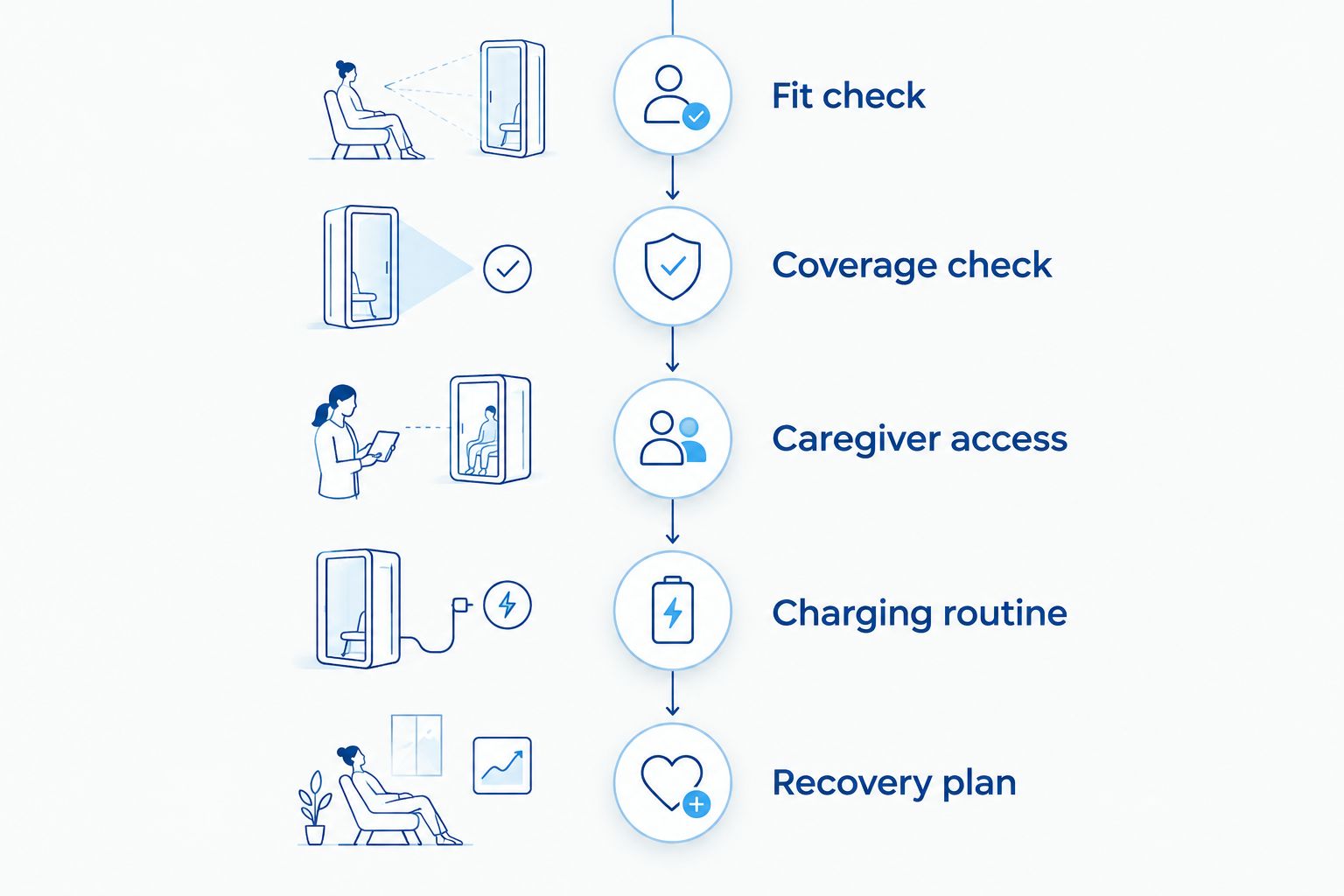
A tracker needs a household routine. Work through these steps while your puppy is safely indoors, then complete the outdoor check with secure handling.
- Fit check: Assess the complete assembly while your puppy stands, walks, and rests. Look for rubbing, twisting, or interference with movement.
- Coverage check: Test the communication method on familiar routes. Keep the puppy leashed and accompanied throughout.
- Caregiver access: Assign at least 2 caregivers where your household allows it, and confirm each person understands the location display.
- Charging routine: Choose a regular charging point and decide what happens during charging. Never confuse a tracker left at home with protection for a dog outside.
- Recovery plan: Record who checks gates, who follows the location information, and who contacts local veterinary clinics or shelters.
During your first supervised outing, make 3 checks: attachment security, puppy comfort, and the displayed location timestamp. These are setup instructions, not performance benchmarks. Stop if the equipment causes discomfort.
For travel in 2026, repeat the coverage check at your destination. A tracker that communicates at home does not establish coverage everywhere you visit. Keep 1 readable identification tag on your puppy’s appropriate everyday equipment, with contact information checked before departure.
Which GPS tracker should you choose?
Choose Tractive as the starting point for everyday cellular pet tracking. Choose Fi instead when an integrated collar is your priority and the exact collar fits. Choose a compatible Garmin Alpha system when rural communication requirements justify dedicated radio-tracking equipment.
Shrinkabulls recommends the best-fitting English Bulldog GPS tracker for your actual recovery situation, not the device with the longest feature list. If none fits your puppy comfortably, strengthen identification and secure handling rather than forcing a wearable setup.
Your 2026 decision comes down to two questions: can your puppy wear it comfortably, and can it communicate where you need it? Reject any option that fails either check.
FAQ
What’s the best GPS tracker for an English Bulldog puppy?
Tractive is the default recommendation for everyday cellular pet tracking, provided the current device fits your puppy and supports your area. Fi suits an integrated-collar preference, while compatible Garmin Alpha equipment suits rural GPS-and-radio tracking.
Is an Apple AirTag better than a GPS dog tracker?
Apple AirTag is not a replacement for a dedicated GPS dog tracker. It uses Bluetooth and Apple’s Find My network, so its location reporting depends on encounters with participating devices rather than its own GPS and cellular tracking connection.
Will a GPS tracker work without cell service?
A compatible GPS-and-radio dog-tracking system can communicate without cellular service. A cellular pet tracker needs its supported communication network to relay remote updates, even when it can calculate a GPS position.
Can a young English Bulldog wear a tracking collar?
A young English Bulldog should wear tracking equipment only when the complete setup fits comfortably and follows the manufacturer’s guidance. Ask your veterinarian about suitability if your puppy has breathing problems, skin irritation, or other health concerns.
Does my puppy still need a microchip with a GPS tracker?
Yes, a microchip and GPS tracker serve different purposes. A registered microchip provides identification when scanned; a functioning GPS tracker helps locate the dog while the tracking equipment remains attached and connected.
How do I compare tracker costs without choosing the wrong device?
Check the manufacturer’s current device and service requirements for the exact tracker you are considering. Compare those requirements alongside fit, supported coverage, and charging responsibilities rather than choosing by the device alone.
Should I attach the tracker to a collar or a harness?
Use the attachment method specified for the exact tracker. Keep it separate from the leash connection, and confirm that the assembly does not rub, twist, or leave chewable components within reach.
One last thing
A tracker follows its attachment, not your puppy. If a collar slips off, the map can lead you to the collar while your bulldog is elsewhere. That is why secure fit matters just as much as the tracking technology.
At Shrinkabulls, we want you ready for the ordinary little mishaps as well as the scary ones! Before your next outing, check the fastening, the charge, and your contact details. Those small habits support every option in this 2026 guide.
Related guides
- Microchip and ID tag options for a new bulldog puppy
- How to travel safely with an English Bulldog puppy by car
- Bulldog care for professional pet sitters
