

 REVIEWS




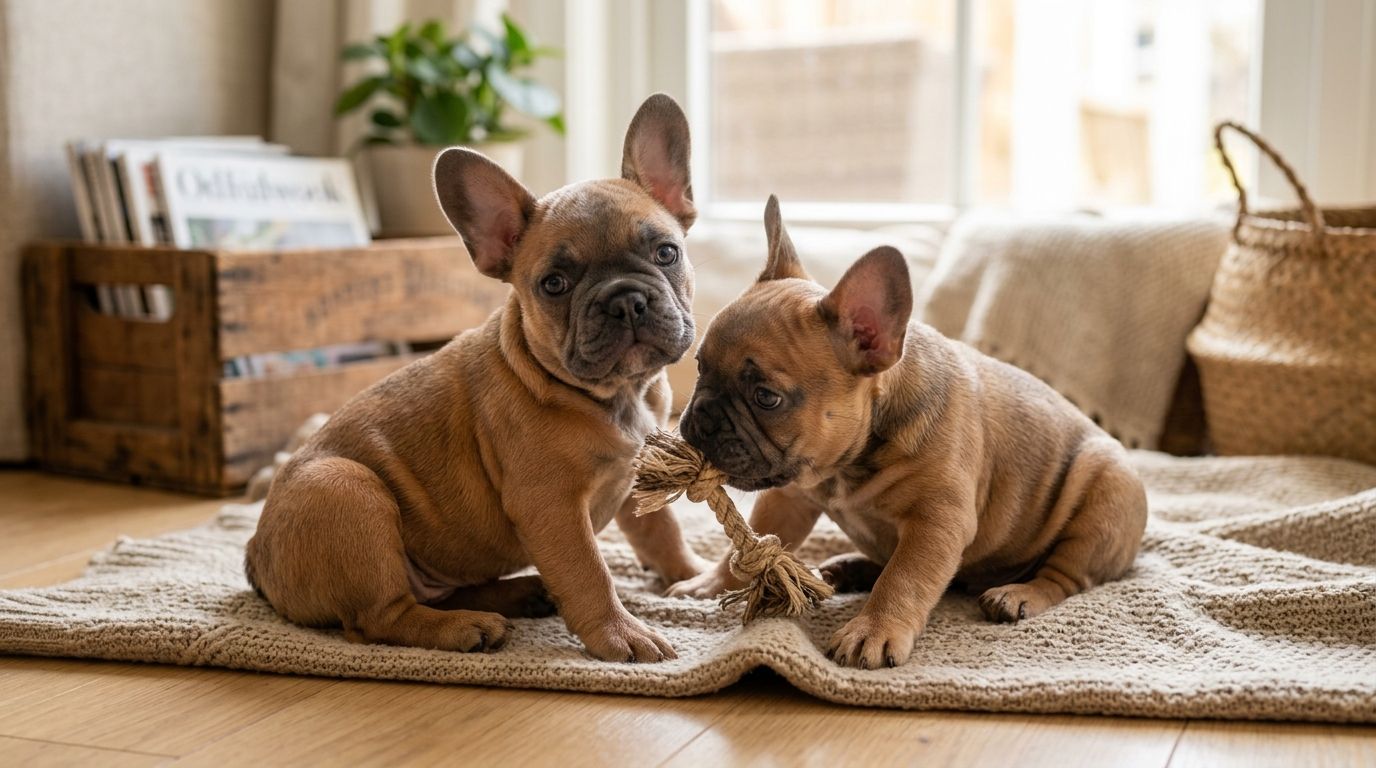
Blue fawn French Bulldog puppies carry a diluted fawn coat softened by the blue gene, producing a smoky, grayish-tan color that stands apart from standard fawn, brindle, or pied Frenchies. Rare-color collectors chase this shade specifically because it sits at the intersection of two recessive traits, making it one of the harder combinations to produce reliably in a breeding program.
Verdict: blue fawn French Bulldog puppies are best for buyers who already understand dilute-color genetics and want a documented, DNA-tested coat — not first-time owners shopping on looks alone. Shrinkabulls works with rare-color bloodlines including blue, lilac, merle, and isabella, and the same due-diligence steps below apply whether you're comparing a merle, lilac, or blue bulldog puppy or narrowing in on blue fawn specifically.
- Blue fawn French Bulldog puppies combine the fawn base coat with the blue dilution gene, producing a smoky tan-gray shade.
- DNA color panel testing before purchase is the only reliable way to confirm the blue dilution and rule out double-dilute risk.
- Rare-color puppies in 2026 command higher demand than standard colors, so reservation timing and deposit terms move fast.
- Compare blue fawn against lilac, isabella, and merle before deciding — coat rarity and health testing needs differ across each.
Why blue fawn matters for rare-color fans
Color collectors buying in 2026 aren't shopping the way a first-time pet owner shops. This segment already knows the difference between a true blue dilution and a washed-out fawn that photographs light under certain lighting, and they're willing to wait for a litter that matches a specific bloodline rather than take the first available puppy.
That patience matters because dilute colors — blue, lilac, isabella — carry documented skin and coat sensitivities tied to the dilution gene itself, on top of the standard brachycephalic concerns every French Bulldog owner manages. A rare-color fan isn't just buying a color; they're buying into a health-testing conversation the average buyer skips.
Confirm the coat and the genetics
Understand what makes a coat "blue fawn"
Blue fawn isn't a marketing label — it's a specific genetic combination. Before you commit to a puppy, get clear on what you're actually looking at.
- Fawn is the base coat color, ranging from pale cream to deep red-fawn.
- The blue dilution gene (d/d) mutes black pigment to a steel-gray, which is what turns a standard fawn into blue fawn.
- True blue fawn puppies often show a blue-gray nose and paw pads rather than black.
- Coat shade can shift somewhat as the puppy matures past 12-16 weeks, so early photos aren't final proof.
- Littermates from the same parents can vary in shade depending on which fawn genes each puppy inherited.
Request DNA color panel results before you pay a deposit
Visual identification gets you partway there, but genetics settle the question. This is where a reputable breeder should already have paperwork ready, not a promise to test "later."
- Ask for a DNA color panel report, not just a verbal confirmation of coat color.
- Confirm the report identifies both the dilution locus and the fawn/brindle locus.
- Cross-check the puppy's registered parents against the same panel if it's available.
- Review DNA color and genetics test kits used in rare-color breeding programs so you know what a legitimate report looks like.
- Walk away from any seller who calls a puppy "blue fawn" with zero documentation.
Compare blue fawn against other rare colors
Most rare-color buyers don't lock in on blue fawn immediately — they arrive there after weighing it against lilac, isabella, platinum, and merle. Knowing the trade-offs before you fall for a photo saves a lot of back-and-forth with a breeder.
- Lilac carries two dilution genes (blue + chocolate) and tends to run lighter and pinker than blue fawn.
- Isabella is a separate combination again, often confused with lilac by buyers new to the color spectrum.
- Merle brings a patterned coat and a documented set of eye and hearing risks tied to the merle gene itself.
- Platinum and sable sit closer to standard coloring with subtler rarity markers.
- Blue fawn tends to be more coat-stable across a dog's lifetime than merle, which can shift pattern slightly with age.
Vet the breeder's health testing and pedigree
A color-first buyer who skips health vetting is the buyer who ends up with a costly vet bill in year one. Rare-color breeding programs, in particular, warrant a closer look because chasing a specific dilution can tempt some breeders to cut corners on the rest of the pedigree.
- Ask for the full health testing panel a bulldog breeder should be running on both parents.
- Request the pedigree chart going back at least three generations.
- Confirm neither parent is a double-dilute pairing, which compounds coat and skin sensitivity risk.
- Ask directly how many litters that breeder has produced with this specific color combination.
- Get everything about health guarantees in writing before a deposit changes hands.
Budget for the real cost of a rare-color puppy
Rare colors carry a premium over standard fawn or brindle, and the premium reflects the genetic testing, longer wait times, and smaller litter counts that come with breeding for a specific dilution. Skip the sticker shock by pricing this out before you fall in love with a specific litter.
- Factor in the puppy's price, first-year vet costs, and any flight-nanny delivery fees separately.
- Read what merle and rare-color puppies really cost before comparing quotes across breeders.
- Ask whether the quoted price includes AKC registration paperwork or if that's billed separately.
- Budget for skin-fold and coat care products up front — dilute coats often need gentler grooming routines.
- Set aside a contingency for veterinary follow-up in the first 90 days, standard practice for any brachycephalic puppy.
Plan the reservation timeline
Blue fawn litters don't sit on a waitlist for long once word gets out. A rare-color fan who waits to reserve until after a litter is born often misses it entirely.
- Ask the breeder how deposits are structured before a litter is even whelped.
- Confirm what happens to your deposit if no puppy in the litter matches your target coat.
- Get a written timeline for photo updates, pick order, and pickup or delivery date.
- Ask whether flight-nanny delivery is available if you're not local to the breeder.
Reserve your spot on a rare-color litter
Deposits secure pick order before a litter is even born.
Rare-color comparison table
| Color option | Best for | Key limitation |
|---|---|---|
| Blue fawn | Collectors wanting a stable, documented dilute coat | Requires DNA panel confirmation — visual ID alone is unreliable |
| Lilac | Buyers wanting the lightest, pinkest coat in the dilute family | Double-dilute genetics raise skin sensitivity concerns |
| Isabella | Enthusiasts chasing a distinct pale coat separate from lilac | Frequently mislabeled by less experienced sellers |
| Merle | Pattern collectors who want visible marbling | Carries documented eye and hearing risk in double-merle pairings |
| Standard fawn/brindle | First-time owners who want the least genetic complexity | Lower rarity premium, less coat variation |
Common mistakes rare-color fans make
- Trusting a photo over a DNA report. Lighting, age, and camera settings all shift how a coat photographs — a genetic panel is the only real confirmation.
- Skipping the pedigree check because the color is right. A stunning blue fawn coat on a poorly health-tested pedigree is still a poorly health-tested pedigree.
- Paying a deposit before confirming pick order in writing. Verbal promises about "first pick of the blue fawns" don't hold up if the litter doesn't produce one.
- Underestimating the cost of coat and skin care. Dilute coats often need gentler shampoo and more frequent skin-fold checks than standard-colored littermates.
- Ignoring the breeder's litter history with this specific color. A breeder producing their first blue fawn litter is a different risk profile than one with a multi-generation program behind it.
FAQ
What makes a French Bulldog puppy "blue fawn" instead of just fawn?
Blue fawn puppies carry the standard fawn base coat plus the blue dilution gene, which mutes black pigment into a steel-gray tone visible in the nose, pads, and coat shading. A DNA color panel is the only way to confirm both genes are present.
Is blue fawn rarer than lilac or isabella?
Blue fawn, lilac, and isabella are all considered rare colors, but each results from a different genetic combination. Lilac and isabella involve two dilution genes stacking together, while blue fawn pairs the blue dilution with a fawn base, making direct rarity comparisons breeder- and litter-dependent.
Do blue fawn French Bulldogs have more health issues than standard colors?
Dilute-colored coats, including blue and blue fawn, are associated with a higher rate of skin sensitivity tied to the dilution gene itself, on top of standard brachycephalic concerns. Health testing on both parents matters more with any dilute pairing.
How do I confirm a puppy is genuinely blue fawn before paying a deposit?
Request a DNA color panel report from the breeder that identifies both the dilution and fawn loci, and cross-check it against the registered parents. Visual photos alone are not reliable confirmation, especially before 12-16 weeks of age.
What’s the difference between blue fawn and platinum French Bulldogs?
Platinum is a separate, lighter coat pattern that isn’t built on the same blue dilution combination as blue fawn. The two are often confused by buyers new to rare-color terminology, which is another reason a DNA report matters.
Should I reserve a blue fawn puppy before the litter is born?
Rare-color litters, including blue fawn, typically fill reservation slots quickly once a breeder announces an expected litter in 2026. A deposit with clear written terms on pick order protects your spot if the litter produces the color you want.
Are blue fawn French Bulldog puppies AKC registrable?
Yes, blue fawn is registrable with the AKC as a color variation of the French Bulldog breed, though it falls outside the standard show-ring color preferences. Always verify the registration paperwork matches the puppy before finalizing a purchase.
One last thing
The detail most rare-color buyers overlook in 2026 isn't the coat at all — it's the nose and pad pigment. A genuine blue fawn puppy should show blue-gray pigment on the nose leather and paw pads, not black, and that pigment is visible well before the coat itself fully settles, making it one of the fastest visual checks you can run alongside the DNA panel.
Related guides
- Blue merle French Bulldog puppies for hot-climate homes
- How to verify AKC registration papers on a bulldog puppy
