


 REVIEWS




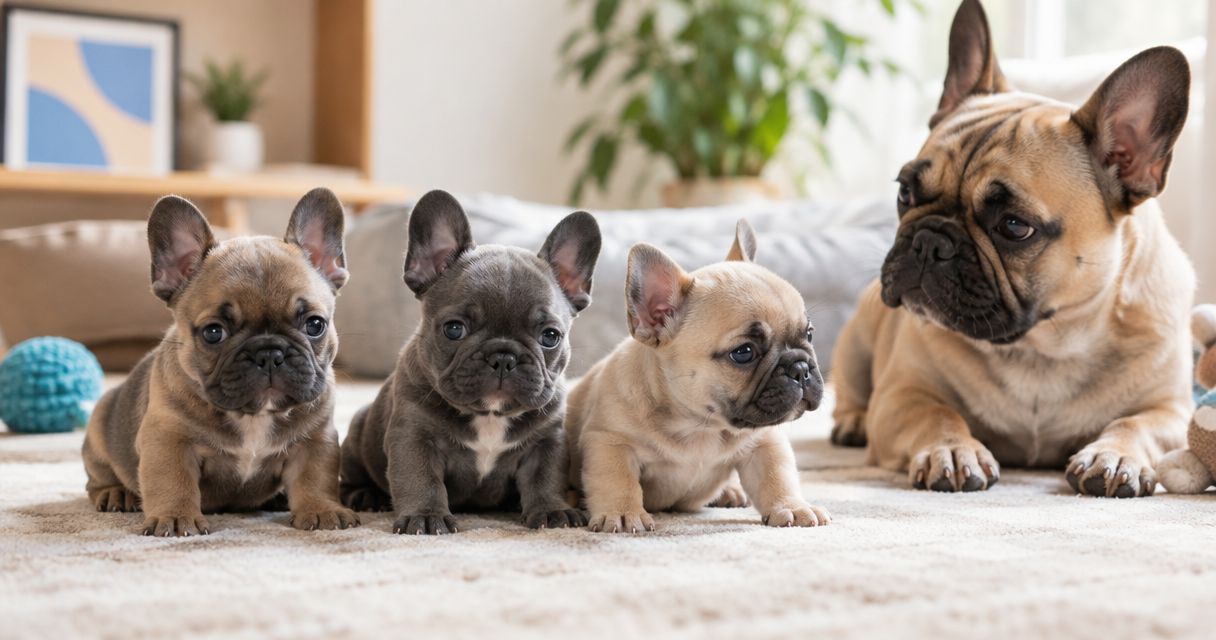
French Bulldog puppies grow from birth, so there is no fixed period when they stay tiny before growing. They remain a small breed as adults, but their puppy size is temporary, and height, weight, and body shape mature at different rates. Expect growth throughout puppyhood, not a tiny phase followed by a sudden switch to adult size.
- Wondering how long do french bulldog puppies stay small? Growth starts at birth; puppy size is temporary.
- French Bulldogs approach adult size during their first year, but body condition matters more than a calendar deadline.
- Shrinkabulls offers AKC-registered French Bulldog puppies; prospective owners should ask about parent size and individual growth records.
- Choose puppy nutrition for healthy development, never to keep a French Bulldog artificially small.
Why this matters
That little Frenchie curled up beside you will not keep the same proportions forever. Growing puppies need suitable food, room to move, and equipment that still fits as their bodies change.
If you are bringing home a puppy in 2026, plan for the adult dog rather than the size you see in the first photograph. Start by choosing a vet experienced with brachycephalic breeds, then use regular examinations to keep growth and body condition on track.
Small is a size description, not a health goal. A puppy that stays unusually tiny deserves an assessment, not automatic praise for being a miniature version of the breed.
How long do French Bulldog puppies stay small before growing?
French Bulldog puppies grow continuously, with much of their progress toward adult size happening during the first year. Around 12 months is a useful general checkpoint for assessing adult size, not a promise that every Frenchie has finished developing.
The puppy you bring home is already growing. You will notice changes in weight, leg length, chest shape, and the fit of everyday equipment; those changes do not all happen together.
| Growth stage | What small means at this stage | What you should check |
|---|---|---|
| Birth onward | A young puppy is small because development has only just begun | Feeding, weight trend, warmth, and veterinary concerns |
| First 12 months | Puppy proportions gradually move toward adult proportions | Body condition, diet suitability, movement, and equipment fit |
| After the first year | A Frenchie remains a small adult breed, not a permanently tiny puppy | Whether added weight reflects normal development or excess body fat |
This is a practical timeline, not an individual weight forecast. A puppy's own growth record is more useful than a stranger's puppy chart. Compare your Frenchie with their previous measurements and veterinary findings before comparing them with littermates or social-media dogs.
What does the adult breed standard tell you?
The American Kennel Club lists French Bulldog height at 11–13 inches and its breed-standard weight at under 28 pounds. Those figures describe the breed; they do not provide a month-by-month target for your puppy.
For this 2026 guide, the AKC breed information is the reference for those adult measurements. The weight standard is not an instruction to restrict food until a growing puppy fits a number, and a dog outside a show standard still needs an individual health assessment.
A healthy adult Frenchie should have an appropriate body condition for their frame. Ask your veterinarian to assess that condition rather than deciding that the heaviest dog is the strongest or the lightest dog is the healthiest.
Early puppyhood: growth starts immediately
There is no waiting period before growth begins. Early development includes changes you cannot judge from a photograph, alongside visible gains in body size.
If you are choosing a puppy, ask for their date of birth, recent weight records, current food, and veterinary history. A photograph without an age tells you very little about how large that puppy is likely to become.
Do not choose a French Bulldog solely because they look smallest in the litter. A smaller puppy needs the same attention to appetite, comfort, movement, and health as a larger puppy.
The useful question is not simply whether the puppy is gaining weight. It is whether growth fits their overall condition and whether they are eating, behaving, and moving normally.
For newborns, poor feeding or failure to gain weight needs prompt veterinary attention. Young puppies have limited reserves, so waiting for a visibly small puppy to catch up without advice is not a sound care plan.
The first year: approaching adult size
During the first 12 months, your Frenchie's puppy proportions change as they move toward adult size. Their legs, head, and body do not have to look perfectly balanced at every stage.
Adult-looking proportions also do not mean adult readiness for every activity. Keep exercise appropriate to your puppy's development, breathing, comfort, and veterinary advice rather than assuming a sturdy appearance means unlimited stamina.
You will also need to revisit everyday equipment. Check that bedding, carriers, and walking equipment accommodate the dog's current body, not the body they had when you first bought them.
When planning supplies in 2026, favor safe fit and adjustability over a purchase intended to preserve a tiny-puppy look. A carrier must allow comfortable positioning and ventilation; a cute photograph is not evidence that it fits properly.
Treat growth as a reason to reassess care, not as a problem to stop. Your puppy needs nutrition that supports development even when the little baby face starts changing!
After the first year: distinguish development from excess weight
A French Bulldog can look broader or more mature after reaching much of their adult height. That does not make every later increase in weight healthy growth.
Look at the whole dog. A veterinarian can assess the ribs, waist, muscle condition, movement, and breathing alongside the scale reading.
If the scale rises while the waist becomes harder to see and activity becomes more difficult, ask for a body-condition review. Do not dismiss the change as normal filling out without checking.
The reverse matters too. A Frenchie that loses weight, eats poorly, or becomes less active needs attention even if their smaller appearance matches the size you originally hoped for.
Adult size is not a finish line for monitoring health. Keep checking condition after puppyhood, especially when food portions, treats, or daily activity change.
Why French Bulldog puppy size varies
Two French Bulldog puppies of the same age do not have to be the same size. Use these factors to ask better questions, not to make an exact adult-weight prediction.
- Genetics: Inherited frame and body proportions influence adult size. Parent size provides context, not a guaranteed final measurement.
- Age: A younger puppy naturally has more development ahead. Confirm the birth date before comparing photographs or weight records.
- Nutrition: Food must support growth. Underfeeding to preserve small size and overfeeding to create a stockier appearance both miss the goal.
- Health: Poor appetite, digestive illness, parasites, and other medical problems can affect growth and body condition.
- Body condition: Two dogs with similar frames can weigh differently because of muscle and body fat. Weight alone cannot explain the difference.
Coat color does not replace any of those checks. A merle, lilac, or blue Frenchie still needs an individual assessment of health and development.
When you evaluate a puppy in 2026, ask about the actual dog: their parents, feeding history, examinations, and growth trend. Descriptive labels do not substitute for those records.
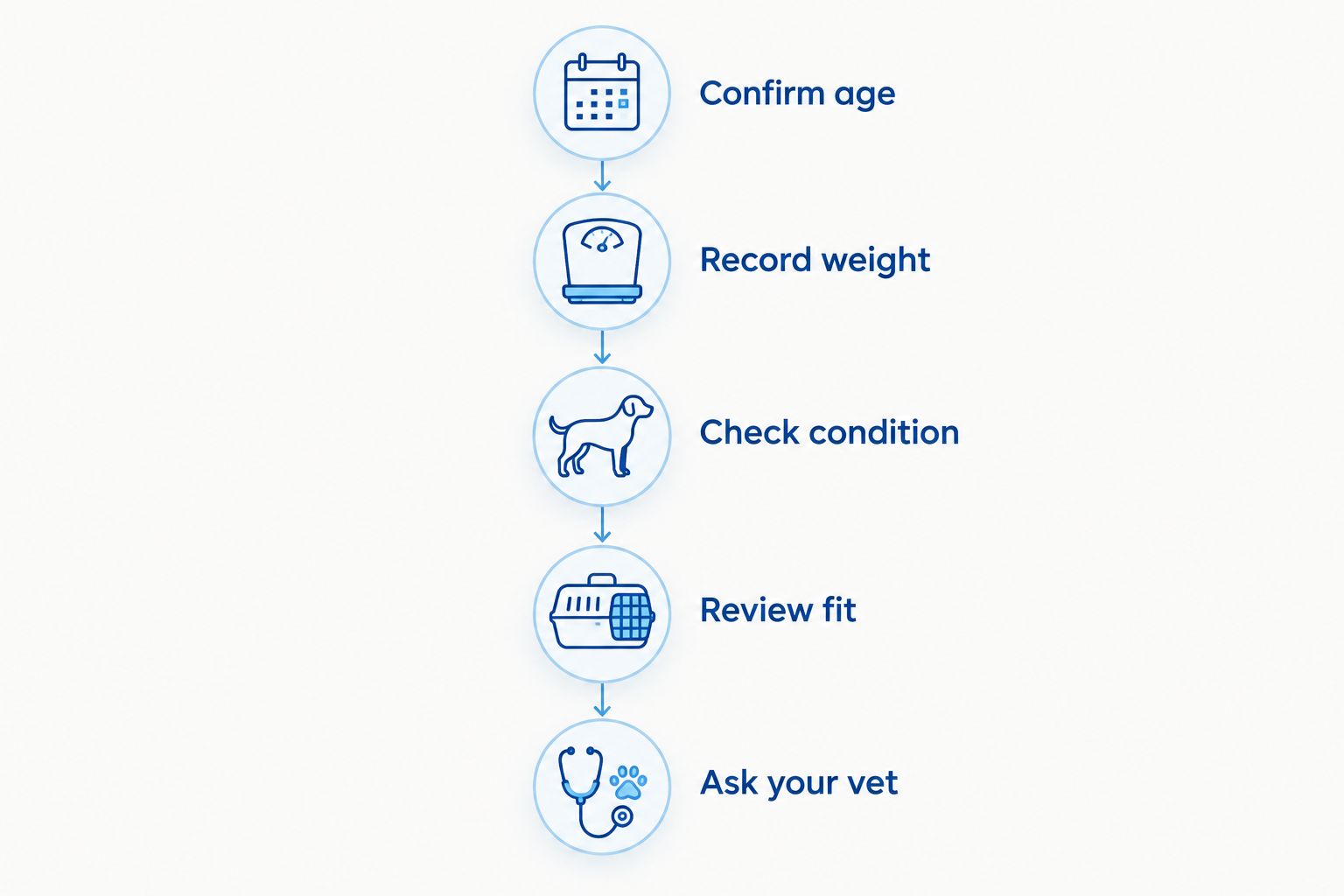
How should you track your French Bulldog puppy's growth?
Use a simple record you can share with your veterinarian. Consistency makes changes easier to interpret; collecting measurements without acting on concerns does not help your puppy.
- Confirm age. Record the date of birth so each measurement has a meaningful age attached.
- Record weight. Use the same scale where practical and follow the weighing frequency your veterinarian recommends.
- Check condition. Note appetite, stool changes, energy, and whether your puppy looks leaner or heavier than before.
- Review fit. Check the space and fit of the equipment your puppy uses as their body changes.
- Ask your vet. Share the trend and any symptoms rather than asking whether one isolated weight is normal.
Take photographs from similar angles if they help you notice changes, but do not use pictures to diagnose health problems. Lighting, posture, and camera distance can make the same puppy look dramatically different.
Bring the record to routine appointments. If your puppy seems unwell, contact the clinic rather than waiting until the next scheduled visit to discuss the numbers.
Can you predict adult size from a tiny puppy?
You cannot reliably promise an exact adult size from appearance alone. Parent size and a puppy's growth history provide useful context, but they do not establish a guaranteed final weight.
Ask what a size prediction is based on. A statement supported by ages, parent information, and veterinary records is more useful than an assurance that a puppy will stay tiny.
Shrinkabulls is for prospective owners seeking AKC-registered French Bulldog puppies. In our breeding business, we offer French Bulldog puppies and stud services; registration identifies registration status, not a guarantee of adult size or health.
When discussing a puppy with Shrinkabulls, keep the questions specific: How old is this puppy? What do the parents weigh? What does the growth record show? What health information is available?
Should you feed less to keep a Frenchie small?
Never restrict a French Bulldog puppy's food simply to keep them small. Growing dogs need suitable nutrition, and a feeding plan should support healthy development rather than a preferred appearance.
Choose a food intended for puppy growth and discuss portions with your veterinarian. Account for treats as part of the overall diet, and avoid adding supplements without professional advice.
Do not force extra food to make a puppy look broader, either. If you think your Frenchie is underweight, arrange an assessment before treating the issue as a portion-size problem.
A feeding review in 2026 should consider current weight, body condition, appetite, and the food being used. The goal is a healthy puppy, not a dog shaped to match an online image.
When does a small puppy need veterinary attention?
Small size by itself does not diagnose a problem. A change in growth combined with symptoms is more informative and deserves attention.
Contact your veterinarian when you notice:
- Weight loss or a concerning lack of growth.
- Persistent poor appetite or difficulty eating.
- Repeated vomiting or diarrhea.
- Unusual weakness or a marked drop in energy.
- Pain, limping, or reluctance to move.
Breathing distress, collapse, or severe weakness requires urgent veterinary care. Do not wait for another weigh-in to decide whether something is wrong.
FAQ
How long do French Bulldog puppies stay small?
French Bulldog puppies grow from birth, so they do not stay tiny for a fixed period before growth begins. They move toward adult size during their first year while remaining a small breed as adults.
Is my French Bulldog fully grown at 12 months?
At 12 months, a French Bulldog is generally near adult size, but that age is not an individual guarantee of completed development. Your veterinarian can assess growth, body condition, and maturity together.
How big is an adult French Bulldog supposed to be?
The AKC lists French Bulldog height at 11–13 inches and breed-standard weight at under 28 pounds. These are breed references, not feeding targets or a substitute for assessing an individual dog’s health.
Will the smallest French Bulldog in a litter stay the smallest?
The smallest French Bulldog in a litter is not guaranteed to remain the smallest as an adult. Ask about parent size, the puppy’s growth history, and health rather than relying on litter rank.
Can I feed my French Bulldog puppy less to keep them tiny?
No, you should not restrict food to keep a French Bulldog puppy tiny. Use nutrition suitable for growth and have your veterinarian guide portions and body-condition checks.
Does a rare coat color mean a French Bulldog will stay smaller?
A rare coat color is not a reliable predictor of adult French Bulldog size. Assess the individual puppy’s parent information, growth records, and health instead.
Does AKC registration guarantee how big a puppy will get?
AKC registration does not guarantee adult size or health. When considering a Shrinkabulls French Bulldog puppy, ask for individual growth and health information alongside registration details.
One last thing
The most useful puppy-size question is not whether your Frenchie will stay little. It is whether they are developing comfortably and staying in healthy condition.
Before your next appointment, write down what has changed: appetite, weight, movement, and equipment fit. Bring the pattern, not just the number. That gives your veterinarian something useful to assess while you enjoy every stage of puppyhood.
Related guides
- Questions to ask a French Bulldog breeder before buying
- Dog food for French Bulldog puppies
- Preparing your home for a new French Bulldog puppy
