


 REVIEWS




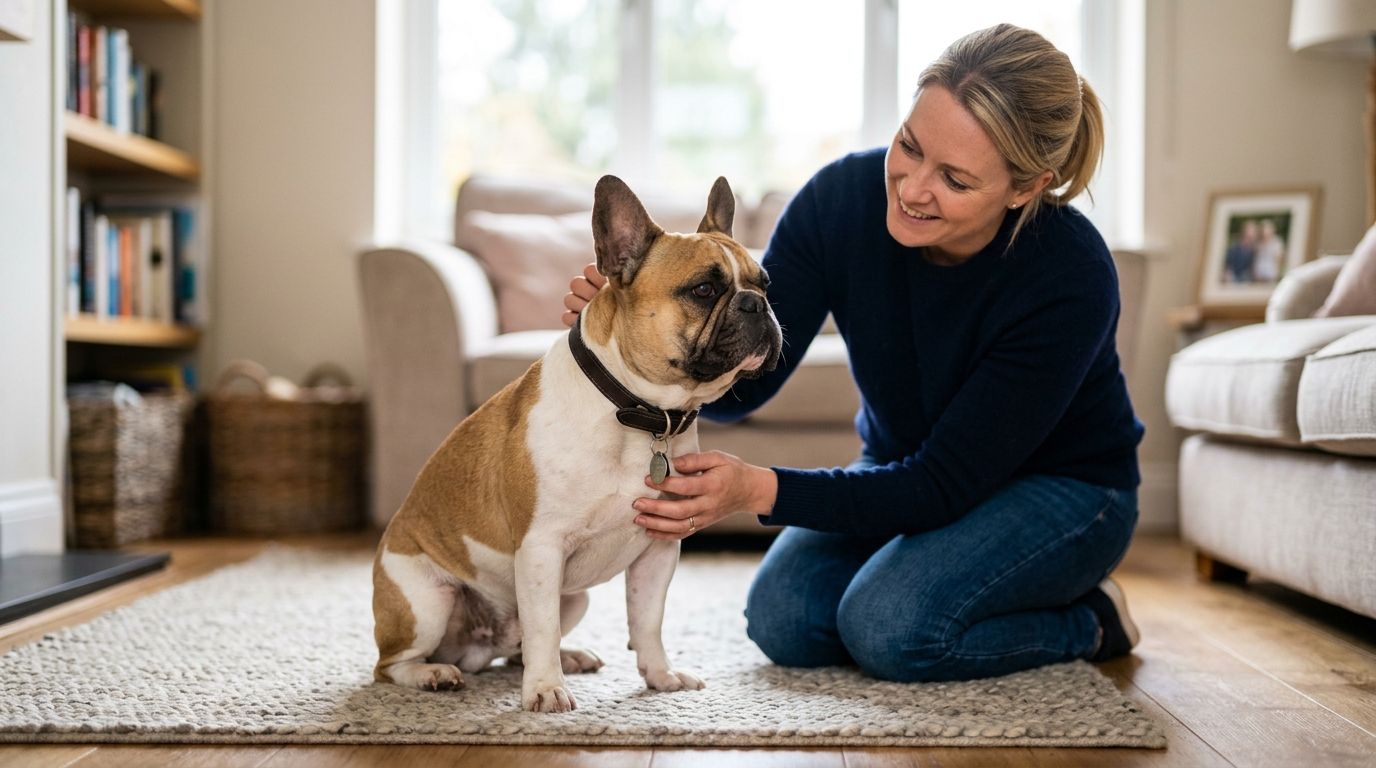
French Bulldog stud service for first-time breeders is the process of pairing an unproven female with a health-tested, proven male with the aim of producing sound, AKC-registrable puppies without the costly guesswork that trips up new breeders. A first-time breeder doesn't have a decade of whelping experience to fall back on, so the stud selection, the contract, and the health screening have to do the work that instinct would normally cover.
- French Bulldog stud service for first-time breeders works best when the stud is health-tested for BOAS, patellas, and cardiac issues before any contract is signed.
- Shrinkabulls recommends verifying AKC papers and pedigree before booking a stud, not after the breeding takes place.
- Most English and French Bulldog litters require a scheduled c-section, so line up a vet before the due date, not during labor.
- A written stud contract covering live-birth guarantees and repeat-breeding terms protects first-time breeders more than any verbal promise.
Why French Bulldog stud service matters for first-time breeders
First-time breeders search for stud service because they're missing the one thing experienced breeders take for granted: a track record. You don't know yet what a healthy litter looks like at day three, or what a stud's previous litters actually threw for color and structure. That's exactly why choosing the right bulldog stud matters more here than in almost any other part of the breeding process.
Bulldogs also carry breed-specific risk that generic dog-breeding advice doesn't cover. Narrow hips, a Bulldog's characteristic head size, and reduced airway capacity mean whelping complications are common, not rare. A first-time breeder who doesn't plan for this before the tie is the one who ends up in an emergency vet clinic at 2 a.m. in 2026 with no plan and no vet on standby.
Update your stud vetting checklist before you sign anything
Don't take a stud owner's word for a dog's health status. Ask for paperwork, and ask early.
- Request current BOAS (brachycephalic airway) grading, not a note that says "he breathes fine"
- Ask for patella and hip evaluation results, even informal vet notes
- Get a cardiac clearance if the stud is over three years old
- Confirm the stud has sired at least one prior litter with no reported whelping complications
- Cross-check color genetics if you're breeding for merle, lilac, or blue, since a hidden merle gene doubles up fast
Shrinkabulls builds this screening into every French Bulldog stud service booking, but you can request the same documents from any independent stud owner before you commit.
Verify the AKC registration and pedigree paperwork
A stud without traceable papers isn't a stud you can build a breeding program on. Registration fraud and unregistered "papers pending" studs are common enough in the Bulldog world that first-time breeders get burned on this step more than any other.
- Match the AKC registration number to the dog in front of you, not a photo
- Pull a three-generation pedigree and check for repeated ancestors (inbreeding coefficient matters)
- Confirm the stud owner's name matches the registered owner on file
- Ask whether the litter registration will be full or limited before breeding, not after
The process for verifying AKC registration papers on a puppy works the same way for a stud dog. Do it before money changes hands.
Understand the c-section reality before you breed
Most English and French Bulldog dams whelp by scheduled c-section, not natural birth, because of head-to-hip ratio. First-time breeders who plan for a natural delivery are the ones who end up in crisis when labor stalls.
- Line up a vet who has performed Bulldog c-sections specifically, not just general surgery
- Schedule a pre-whelp x-ray around day 55-58 to count puppies and estimate size
- Budget for an on-call surgical slot near the due date, since Bulldogs often go into labor at odd hours
- Have a plan for who drives, who calls the vet, and who handles newborn care simultaneously
Write a stud contract that protects both parties
A verbal agreement or a text message thread is not a stud contract. First-time breeders lose money and leverage when there's nothing in writing.
- Spell out the stud fee structure and whether it's cash, pick-of-litter, or a hybrid
- Include a live-birth guarantee clause defining what counts as a live birth
- Add a repeat-breeding clause in case the first attempt doesn't result in a viable litter
- Note who owns registration rights to resulting puppies if there's a dispute
- Confirm health guarantee language matches what you'd expect when reading a puppy health guarantee from a breeder
Time the breeding cycle with progesterone testing
Guessing at ovulation timing is the single most common reason first-time breeders get a failed tie or a tiny litter.
- Start progesterone testing around day 5-7 of the heat cycle
- Test every 24-48 hours as the numbers climb, not just once
- Coordinate the tie or AI collection within the fertile window your vet identifies
- Keep a written log of test results in case you need it for a future breeding
Budget for the true cost of the first litter
Stud fees are the smallest line item in a first litter's budget, and new breeders consistently underestimate everything else.
- Progesterone testing runs multiple rounds, not one
- Pre-whelp x-rays and a scheduled c-section add up fast
- Neonatal care supplies, incubators, and emergency vet funds need to be set aside before the due date
- Health testing panels for the dam herself should happen before you breed her at all
Shrinkabulls' guide on the best health testing panels to request from a bulldog breeder applies just as much to the dam you're breeding as it does to a puppy you're buying.
Comparing stud service options for first-time breeders
| Option | Best for | Key limitation |
|---|---|---|
| Established kennel stud service (Shrinkabulls) | First-time breeders who want health-tested paperwork and pedigree verification handled upfront | Availability depends on the stud's breeding schedule |
| Independent local stud, unverified | Breeders with an existing relationship and prior litters to reference | Health testing and registration status vary widely and must be verified yourself |
| Shipped semen / AI collection | Rare-color breeding programs matching a specific bloodline across states | Requires a vet skilled in canine AI and adds timing complexity |
| Co-owning a stud outright | Breeders planning multiple litters over several years | Ties up capital and requires a written co-ownership agreement |
Verdict: for a first litter, a health-tested kennel stud with documented pedigree and a written contract is the lowest-risk path — independent studs and shipped semen both work, but only after you've done the verification legwork yourself.
Compare stud options before you book
Review health testing and pedigree details before signing a contract.
Common mistakes first-time breeders make
- Skipping progesterone testing entirely. Guessing at the fertile window based on the calendar alone drops litter size and success rate.
- Signing a stud contract with no live-birth guarantee. A verbal promise doesn't hold up if the litter doesn't survive.
- Not budgeting for a scheduled c-section. First-timers who plan for natural delivery end up scrambling for emergency surgery.
- Ignoring double merle risk in rare-color programs. Breeding two merle-carrying dogs together produces health complications, not just a rarer color. Review the risks of double merle breeding before pairing any merle stud with a merle dam.
- Underestimating the full first-year cost of raising a litter. Stud fees are one line item in a much larger budget that includes vet care, testing, and whelping supplies.
FAQ
What does French Bulldog stud service cost for a first-time breeder in 2026?
Stud fees vary by bloodline, color, and health testing status, so check current terms directly with the stud owner. Budget separately for progesterone testing, a scheduled c-section, and whelping supplies, since those often exceed the stud fee itself.
Do French Bulldogs need a c-section every time?
Most English and French Bulldog dams whelp by scheduled c-section because of head-to-hip proportions, though a small percentage deliver naturally. Line up a vet experienced with Bulldog c-sections before the due date regardless of which outcome you expect.
Is a stud contract legally necessary for a first breeding?
A written stud contract isn’t legally mandatory in most states, but it’s the only protection you have if the breeding fails or a dispute arises over registration rights. Cover the stud fee structure, live-birth guarantee, and repeat-breeding terms in writing before the tie.
How do I verify a stud dog’s AKC registration before breeding?
Match the AKC registration number printed on the paperwork to the dog you’re looking at, and confirm the registered owner’s name matches the person offering the stud service. A three-generation pedigree pull also confirms the bloodline claims.
What health tests should a French Bulldog stud have before breeding?
A stud should have BOAS airway grading, patella and hip evaluations, and a cardiac clearance if he’s over three years old. Color-specific breeding programs should also confirm merle or dilute gene status to avoid double merle pairings.
How soon before the due date should I schedule a c-section?
Book the surgical slot as soon as a pre-whelp x-ray around day 55-58 confirms puppy count and size, since Bulldog vets fill emergency slots fast. Waiting until labor starts often means no vet is available on short notice.
Can a first-time breeder use shipped semen instead of a live stud service?
Yes, shipped semen and artificial insemination work for rare-color breeding programs matching a specific bloodline across state lines. It requires a vet experienced in canine AI and adds timing complexity compared to a live cover.
One last thing
The detail most first-time breeders skip isn't the stud fee or the contract — it's the progesterone testing log. Breeders who test every 24-48 hours through the fertile window consistently report larger, more viable litters than those who guess at timing off the calendar alone. Keep that log even if the first breeding goes perfectly; you'll want the baseline data for the next litter.
Related guides
- Merle Bulldog price: what rare-color puppies really cost
- French Bulldog stud service for rare-color breeding programs
- Why English Bulldogs need c-sections to give birth
- How to spot red flags when choosing a French Bulldog breeder
