

 REVIEWS




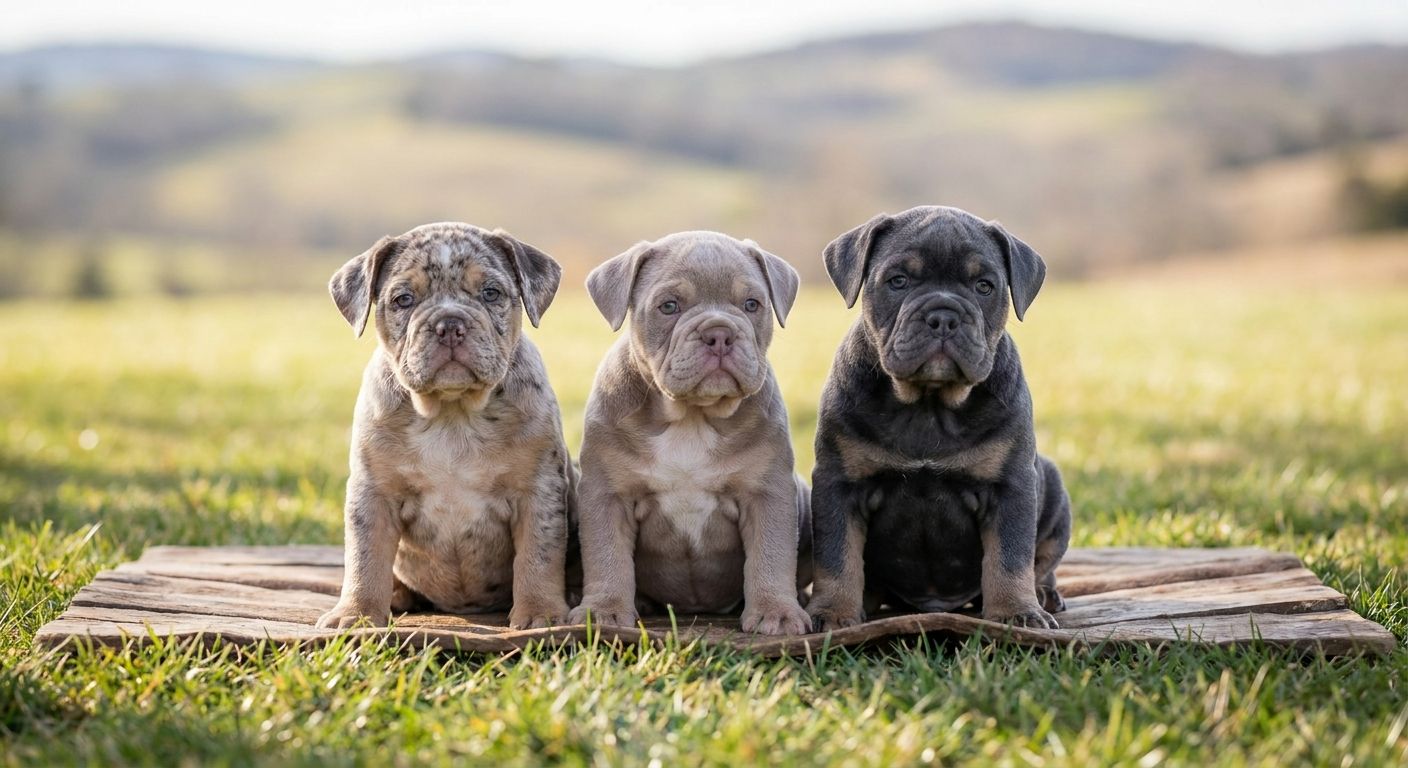
Picking between a merle, lilac, or blue bulldog puppy isn't about which color photographs best on Instagram — it's about matching a color genetics profile to a breeder who tests for it responsibly, so you land a bulldog puppy that stays healthy for the next 10-12 years.
- Choosing a rare color bulldog puppy in 2026 comes down to registration proof, health testing, and realistic color expectations before any deposit changes hands.
- Merle bulldogs carry documented health risks tied to the merle gene, so ask for genetic testing paperwork, not just a cute photo.
- Lilac and blue bulldogs are dilute colors linked to Color Dilution Alopecia in some lines; a reputable breeder discusses this openly.
- AKC registration and a written health guarantee separate a serious bulldog breeder from a color-chasing backyard operation.
Why this matters
Rare color bulldogs sell for a premium because merle, lilac, and blue are dilute or pattern genes layered on top of an already health-sensitive breed. That premium attracts breeders who chase color first and structure, temperament, and genetic testing second. The puppy that looks the rarest in a listing photo isn't automatically the puppy with the soundest hips, the clearest airway, or the cleanest coat genetics.
We've placed rare-colored English and French Bulldog puppies with families for years, and the families who end up happiest are the ones who treat color as the last filter, not the first. Get the health and paperwork right, then pick the color you love.
What you'll need
- A list of 3-5 breeders currently offering merle, lilac, or blue bulldog puppies
- The AKC registration number (or application paperwork) for the litter's sire and dam
- Genetic test results for the merle gene (M-locus) if you're considering a merle bulldog
- A written health guarantee from the breeder, read in full before any deposit
- 30-45 minutes for a video call or in-person visit with the breeder
- A realistic budget — rare color bulldog puppies run well above standard-color pricing in 2026
If you're weighing the cost side of this decision, merle bulldog pricing in 2026 breaks down what rare colors actually cost and why the spread between breeders is so wide.
The steps
1. Confirm the color is genetically real, not marketing
This step separates a legitimate rare color bulldog from a puppy mislabeled to command a higher price. Merle in bulldogs is not a recognized AKC breed standard color and always comes from cross-breeding or introduced genetics somewhere in the line — ask the breeder directly how the merle gene entered their program. Lilac and blue are dilute expressions of chocolate and black respectively, both DNA-testable through standard canine color panels.
Request the actual lab report, not a verbal claim. Expected outcome: the breeder produces a PDF or screenshot from a recognized DNA testing lab (Embark, Wisdom Panel, or similar) within a day of asking. Common mistake: accepting a puppy described as "rare blue" that's actually a faded or dirty-coated standard color with no test behind it.
2. Verify AKC registration before you fall in love with a face
AKC registration on the sire and dam protects you from paying rare-color prices for a puppy with no verifiable pedigree. Pull the registration number and cross-check it directly — don't rely on a photo of a certificate sent over text, since those get reused across multiple litters by less scrupulous sellers. Verifying AKC registration papers walks through the exact lookup process step by step.
Expected outcome: the registration number matches the dog's name, breed, and the breeder's name on file. Common mistake: accepting a "registration pending" excuse that drags on past the puppy's 8-10 week pickup age.
3. Ask for merle-specific health screening
Merle bulldogs need this screening because the merle gene, when inherited in a double copy, is linked to deafness and eye defects in dogs generally — a documented risk across merle-carrying breeds. A responsible breeder tests for single-copy (Mm) versus double-copy (MM) merle and will not intentionally produce MM puppies.
Expected outcome: the breeder can explain, unprompted, how they avoid merle-to-merle breeding. Common mistake: a breeder who gets defensive or vague when you ask about double merle risk — that's a signal to walk, not a personality quirk.
4. Screen for Color Dilution Alopecia if you're choosing lilac or blue
Lilac and blue bulldogs carry the dilute (d) gene, which in some lines is associated with Color Dilution Alopecia — a coat and skin condition that causes thinning fur and skin irritation as the dog ages. This isn't universal, but it shows up often enough in dilute-colored breeds that it's worth a direct question.
Expected outcome: the breeder discusses coat health history in their line, not just how the current litter looks at eight weeks. Common mistake: judging coat health entirely from puppy photos — dilute coat issues typically show up between 6 months and 3 years old, well after pickup.
5. Evaluate the breeder, not just the litter
Color genetics only matter if the breeder behind them is legitimate. Vetting an English Bulldog breeder before you buy covers the questions that expose a breeder cutting corners, and the French Bulldog side has its own red-flag list in spotting red flags when choosing a French Bulldog breeder.
Expected outcome: the breeder answers health, genetics, and pedigree questions without hesitation and offers references or a facility visit. Common mistake: treating a fast reply and a polished website as proof of legitimacy — plenty of color-chasing sellers run slick marketing.
6. Read the health guarantee line by line before you sign
A health guarantee is the paper trail that protects you if a rare color bulldog puppy develops a genetic issue after purchase. Reading a bulldog puppy health guarantee before signing explains what a real guarantee covers versus what's boilerplate filler.
Expected outcome: the guarantee names specific conditions covered, a timeframe (commonly 1-2 years for genetic issues), and a clear remedy. Common mistake: signing a guarantee that only covers "life-threatening congenital defects diagnosed within 72 hours" — that language protects the seller, not you.
7. Make the final color decision last
Once registration, genetics, and the breeder check out, pick between merle, lilac, and blue based on which coat you'll be happy looking at for a decade — not which one is currently trending. All three colors are legitimate choices when the breeder behind them tests properly.
Expected outcome: you choose the puppy with confidence because the hard questions are already answered. Common mistake: reversing this order and picking the color first, then rationalizing a shaky breeder afterward.
See current rare color litters
Browse available merle, lilac, and blue bulldog puppies from Shrinkabulls.
Troubleshooting
- The breeder won't share DNA test results. Treat this as a hard stop — a legitimate rare color bulldog breeder has nothing to hide about the M-locus or dilute gene status.
- The price seems too low for a merle or lilac bulldog. Rare color pricing sits well above standard color in 2026 because of testing costs and lower litter yields; a bargain price usually means skipped testing.
- The puppy's coat looks different from the parent photos. Bulldog coats can shift shade slightly as puppies mature, but a major color mismatch warrants asking for updated verified photos of the actual dam and sire.
- You can't get a straight answer on AKC status. Escalate to a direct registration number lookup rather than accepting reassurances over text or email.
- The health guarantee is vague on genetic conditions. Ask the breeder to specify exactly what's covered in writing before you send a deposit, not after.
- You're torn between two colors and can't decide. Revisit step 7 — the decision should come after health and paperwork clear, not before.
Tools and resources
- AKC registration lookup (verify sire/dam numbers directly)
- A DNA testing lab report for merle (M-locus) or dilute (d-locus) genetics
- How to find a reputable French Bulldog breeder
- How to evaluate English Bulldog skull and jaw health before buying
What to do next
Once you've verified genetics, registration, and the health guarantee, the next step is comparing actual breeders side by side rather than color photos side by side. Run the registration check first — it catches the most fraud in the rare color market before you waste time on anything else.
FAQ
What’s the best rare bulldog color to choose in 2026?
There’s no single best color — merle, lilac, and blue are all legitimate choices when the breeder behind them provides DNA testing and AKC-registered parents. Pick based on coat preference once the health checks clear.
Is a merle bulldog healthier than a lilac bulldog?
Neither color is inherently healthier; both carry distinct genetic risks. Merle carries deafness and eye defect risk tied to double-copy inheritance, while lilac and blue carry a documented link to Color Dilution Alopecia in some lines.
How much does a rare color bulldog puppy cost in 2026?
Rare color bulldog puppies cost significantly more than standard colors due to testing costs and smaller litter yields. Exact pricing varies by breeder and by which color and pattern combination you’re buying.
Can two merle bulldogs be bred together safely?
No — breeding two merle carriers risks producing double-merle (MM) puppies, which face elevated rates of deafness and vision defects. A responsible breeder never intentionally pairs two merle dogs.
Are lilac bulldogs AKC registerable?
Yes, lilac is a recognized dilute color pattern that AKC accepts for registration when the parents are properly registered. AKC registration confirms pedigree, not coat color legitimacy, so verify both separately.
How do I know if a bulldog breeder is legitimate before buying a rare color puppy?
Check that the breeder shares DNA test results, AKC registration numbers, and a written health guarantee without hesitation. A breeder who deflects any of these three questions is a red flag regardless of how the puppies look.
What health issues are linked to blue bulldog coat color?
Blue bulldogs, like lilac, carry the dilute gene associated in some lines with Color Dilution Alopecia, a coat thinning and skin irritation condition. It typically appears between 6 months and 3 years of age, not at pickup.
Should color or health testing come first when choosing a bulldog puppy?
Health testing and AKC verification should come first, with color chosen last among puppies that already pass those checks. Reversing this order is the most common mistake buyers make in the rare color market.
One last thing
The detail most buyers skip: ask specifically whether the merle gene in a breeder's line was introduced through documented outcrossing or is undocumented. A breeder who can trace exactly when and how merle entered their program is managing genetics on purpose — a breeder who shrugs and says "it's just always been in the line" is guessing, and guessing with the M-locus gene is how double-merle puppies happen.
Related guides
- How to vet an English Bulldog breeder before you buy
- How to read a bulldog puppy health guarantee before signing
- Gray English Bulldog puppies for families with kids

12 thoughts on “Choosing a Rare Color Bulldog Puppy: 2026 Buyer Guide”